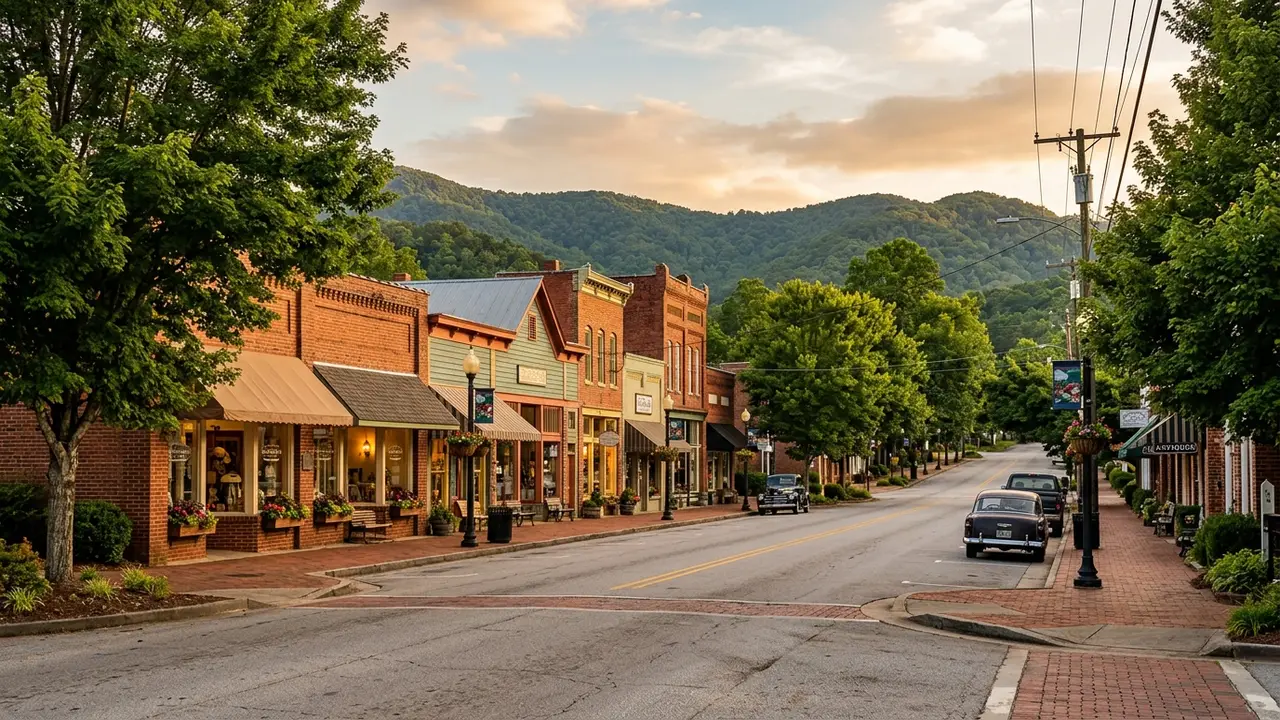
Dahlonega, Georgia • North Georgia Mountains The Local Guide to the Gold Rush City Dahlonega, GA
THEDahlonega Journal

Your Complete Guide to Dahlonega, Georgia

Blog

  • What do new residents need to set up when moving to Dahlonega, Georgia?

    What do new residents need to set up when moving to Dahlonega, Georgia?

    Quick answer (TL;DR)

    New residents in Dahlonega need to transfer vehicle registration and driver’s license within 30 days of establishing Georgia residency, set up water and electric service, and register to vote in Lumpkin County at least 28 days before any election. Families enroll children directly through the Lumpkin County School System. This guide covers each step and the office that handles it.

    Moving to Dahlonega means working through Georgia’s standard newcomer requirements. Vehicle registration and driver’s license transfer within 30 days. Utilities, voter registration, and school enrollment each go through a separate office in Lumpkin County.

    The short version

    The City of Dahlonega handles water and sewer for addresses inside city limits. Amicalola EMC provides electricity to most of the county. The Lumpkin County Tag Office handles vehicle registration. The Georgia DDS handles driver’s licenses. To vote, register at mvp.sos.georgia.gov at least 28 days before any election.

    City of Dahlonega Public Works Water and sewer for Dahlonega city limits. Set up service before your move-in date by contacting city hall directly.
    Amicalola EMC Primary electric cooperative for Lumpkin County. Apply at amicalolaemc.com or by phone. Covers most county addresses.
    Georgia DDS Driver’s license transfers for new Georgia residents. Find your nearest location at dds.georgia.gov. Bring originals, not copies.

    Vehicle registration and driver’s license

    Georgia sets a 30-day window for both. Once you establish residency in Georgia, you have 30 days to get a Georgia driver’s license and 30 days to register your vehicle.

    For the driver’s license, find your nearest Georgia DDS office at dds.georgia.gov. Bring your current out-of-state license, at least two documents proving your Georgia address (a lease, utility bill, or mortgage statement all work), your Social Security card, and proof of legal presence. Georgia does not let you hold two licenses at once, so you surrender your out-of-state license at the appointment. The Georgia license arrives by mail; you leave with a paper interim license in the meantime.

    1. Gather your documentsCurrent out-of-state license, two proofs of Georgia address, Social Security card, and proof of legal presence. If you recently changed your name, bring the certified court order or marriage certificate as well.
    2. Find your nearest DDS locationUse the office locator at dds.georgia.gov. Dahlonega and Lumpkin County residents typically use the closest DDS location in the region.
    3. Surrender your out-of-state licenseGeorgia requires this at the time of application. You cannot hold a Georgia license and an out-of-state license at the same time.
    4. Pay the applicable feeGeorgia DDS publishes the current fee schedule at dds.georgia.gov. Fees vary by license class and any endorsements.
    5. Carry the paper interim licenseYour Georgia license arrives by mail within a few weeks. The paper interim document is valid to carry until it arrives.

    For vehicle registration, the Lumpkin County Tag Office handles titles and tags for county residents. You will need your current title, proof of insurance, and payment for registration fees. Some vehicles require an emissions inspection before registration; check dor.georgia.gov to confirm whether your vehicle is subject to one in Lumpkin County.

    The 30-day window does not have an extension

    Georgia law does not offer extensions for the license or registration transfer window. If you are stopped before transferring and your time has run, fines apply. Both are worth handling as soon as your address is confirmed, not something to push to the last week.

    Setting up utilities in Dahlonega

    The setup depends on your address. In-city and county addresses use different providers for some services.

    For water and sewer, the City of Dahlonega serves addresses within city limits. Contact the city before your move-in date. If your address is in the county outside city limits, water may come from a private well and sewer from a septic system, or from a separate utility district. Your landlord or the seller’s disclosure will clarify which applies.

    For electricity, Amicalola EMC is the primary cooperative for Lumpkin County. Apply for service at amicalolaemc.com or by phone before your move to avoid a gap. Some addresses near county borders may fall under a different provider; confirm by address if you are not certain.

    Natural gas reaches parts of the area but not all of it. Some homes use propane from a tank rather than a utility gas line. Ask your landlord or the previous owner, or contact a gas provider directly, to find out what your address has.

    For internet, several providers serve the Dahlonega area, but coverage varies by address. Rural county addresses especially can have significant variation. Check with each provider before signing any service agreement.

    Trash collection

    Addresses inside Dahlonega city limits receive city trash collection. Contact city hall for setup and collection schedules. Addresses outside city limits contact the Lumpkin County Solid Waste office. Some rural county addresses use the county’s solid waste convenience centers for drop-off rather than curbside pickup. Confirm which applies to your address before moving in.

    Voter registration in Lumpkin County

    Georgia requires registration at least 28 days before any election you want to vote in. If your move happens close to an upcoming election, check the calendar before assuming you are eligible for that cycle.

    Register online at the Georgia Secretary of State’s My Voter Page at mvp.sos.georgia.gov, or download a paper application and mail it to the Lumpkin County Board of Elections and Voter Registration. The online process confirms your submission. After registering, you can check your status and polling place through the same site.

    Your polling location is determined by your address. The Board of Elections can confirm your assigned precinct. For information on Lumpkin County’s voting districts and local election schedules, the Journal’s elections guide for Lumpkin County covers how the county’s elections are organized.

    Georgia’s 28-day registration cutoff is fixed. Plan around it rather than discovering it the week before an election.

    Enrolling children in Lumpkin County schools

    The Lumpkin County School System serves all public K through 12 students in the county. Start at lumpkincountyschools.net, where the enrollment office contact information is listed.

    School assignments work by attendance zone. Your home address determines which elementary school your child attends. The middle school and high school serve the full county. Have your address ready when you contact the district, because it determines the enrollment path.

    Bring proof of residency, such as a lease or utility bill with your address, along with the child’s birth certificate, immunization records, and previous school records if you have them. The school system’s enrollment page lists the current required documents; the checklist can change, so confirm it directly rather than relying on a prior-year list.

    For the academic calendar, including the start of school, holidays, and early-release days, the district posts the board-adopted calendar at lumpkincountyschools.net. The Journal’s Lumpkin County school calendar page explains how to read the calendar and what each category of day means.

    Forwarding your mail

    File a change-of-address request with the USPS at usps.com before or on your move date. Forwarding typically takes about a week to activate after submission, not the same day. Plan around that gap.

    Forwarding does not automatically notify financial institutions, government agencies, or insurance carriers. Update your address directly with each of those. For government records specifically, including the Georgia DDS, the IRS, Social Security, and the Lumpkin County voter rolls, submit your new address through each agency’s own process. USPS forwarding catches what slips through but is not a substitute for doing that yourself.

    Getting connected in Dahlonega

    The Dahlonega community calendar covers local events, public meetings, and city and county government schedules. It is a practical starting point for knowing what is happening in Lumpkin County week to week. For local government and development news, the Dahlonega local news sources page lists the outlets that cover the area regularly.

    County and city government websites

    Most Lumpkin County services, including the tax commissioner, board of commissioners, and health department, are reachable through lumpkincounty.gov. The City of Dahlonega maintains its own site for city services and ordinances. Both have contact directories for each department.

    TaskWho handles itWhere to start
    Georgia driver’s licenseGeorgia DDSdds.georgia.gov
    Vehicle registrationLumpkin County Tag Officedor.georgia.gov or county tag office
    Water / sewer (city limits)City of Dahlonega Public WorksCity of Dahlonega
    ElectricityAmicalola EMCamicalolaemc.com
    Voter registrationLumpkin County Board of Electionsmvp.sos.georgia.gov
    School enrollmentLumpkin County School Systemlumpkincountyschools.net
    Mail forwardingUSPSusps.com
    Trash (city limits)City of DahlonegaCity hall

    Frequently Asked Questions

    How long do I have to get a Georgia driver’s license after moving to Dahlonega?

    Georgia law requires new residents to obtain a Georgia driver’s license within 30 days of establishing residency. Bring your current out-of-state license, proof of your Georgia address, your Social Security card, and proof of legal presence to the nearest DDS location. Find the closest office at dds.georgia.gov.

    Where do I register my vehicle in Lumpkin County?

    The Lumpkin County Tag Office handles vehicle registration and title transfers. You will need your out-of-state title, proof of insurance, and payment for registration fees. Check dor.georgia.gov for the current requirements and whether your vehicle needs an emissions inspection before registration in Lumpkin County.

    Who provides electricity in Dahlonega?

    Amicalola EMC is the primary electric cooperative for Dahlonega and most of Lumpkin County. Set up service at amicalolaemc.com or by calling member services before your move date. If your address is near a county boundary, confirm your provider, as coverage can vary by location.

    Who provides water service in Dahlonega?

    The City of Dahlonega Public Works department handles water and sewer service for addresses inside city limits. Addresses outside the city may use a private well and septic system, or a separate utility district. Ask your landlord or seller, or contact the city, to confirm what serves your specific address.

    How do I register to vote in Lumpkin County?

    Register online at the Georgia My Voter Page at mvp.sos.georgia.gov, or mail a paper application to the Lumpkin County Board of Elections and Voter Registration. Georgia requires registration to be completed at least 28 days before any election you want to vote in. After registering, check your status and polling place at the same site.

    How early before an election do I need to register to vote in Georgia?

    Georgia sets the registration deadline at 28 days before the election. If you move to Dahlonega close to an upcoming election, check the date against the registration cutoff before assuming you can vote in that cycle. The Georgia My Voter Page at mvp.sos.georgia.gov shows current registration deadlines.

    Where do I enroll my child in Lumpkin County schools?

    Contact the Lumpkin County School System at lumpkincountyschools.net. Your home address determines which elementary school your child attends based on attendance zones. The school system’s enrollment office can walk you through the process and confirm the current list of required documents.

    What documents do I need to enroll my child in Lumpkin County schools?

    The school system typically requires proof of residency, the child’s birth certificate, immunization records, and previous school records. The required document list can change, so confirm directly with the school system at lumpkincountyschools.net before your enrollment appointment.

    How do I forward my mail when moving to Dahlonega?

    File a change-of-address request at usps.com. Mail forwarding typically takes about a week to activate after submission. Update your address directly with banks, government agencies, insurance carriers, and other organizations that send you important mail. USPS forwarding catches what slips through but is not a substitute for notifying each organization separately.

    How do I set up trash pickup in Dahlonega?

    Addresses inside Dahlonega city limits receive city trash collection. Contact city hall for collection schedules and setup. Addresses outside city limits contact the Lumpkin County Solid Waste office. Some rural county addresses use convenience center drop-off rather than curbside pickup. Confirm which applies to your address before your first week.

    Is there a community calendar for Dahlonega events?

    The Journal’s Dahlonega community calendar covers local events, public meetings, and county government schedules. City and county government schedules are also posted on the Dahlonega city website and at lumpkincounty.gov.

    Where can I find local news about Dahlonega and Lumpkin County?

    The Journal’s local news sources page lists the outlets that cover Dahlonega and Lumpkin County regularly, including publications that track city council, county commission, schools, and local business news.

    If the Dahlonega area brought you here and you are looking for a home, Gold Peach Realty covers buyers and sellers throughout Dahlonega and Lumpkin County. Search all Dahlonega, Lumpkin County, North Georgia homes for sale at Gold Peach Realty or call (770) 283-1223 to connect with a local agent.

  • How does Dahlonega city council work?

    How does Dahlonega city council work?

    Quick answer (TL;DR)

    The Dahlonega City Council is the elected body that governs the City of Dahlonega. It meets roughly twice a month to pass ordinances, approve the budget, and vote on development permits. Meetings are open to the public, and residents can speak during the comment period. Check the city’s official website for current dates and agendas.

    Dahlonega’s elected city council sets policy, approves spending, and has final say on local ordinances.

    Twice Monthly Regular Meetings
    4 Years Staggered Terms
    2-3 Minutes Public Comment Limit
    Mayor-Council Government Structure
    A wooden gavel, small microphone, and notepad rest on a polished desk before rows of empty chairs in a generic council chamber
    A wooden gavel, small microphone, and notepad rest on a polished desk before rows of empty chairs in a generic council chamber

    What the City Council Does

    The council is the law-making body for the City of Dahlonega. It passes ordinances, adopts the annual budget, and votes on major permits and contracts. If you have been following a rezoning proposal or a new subdivision near your neighborhood, the council’s final vote is what makes it happen.

    The council handles several distinct areas of municipal governance:

    • City budget: how tax revenue gets allocated across departments, including public works, fire, police, parks, and administration
    • Local ordinances: rules governing noise, signage, land use, business licensing, and public safety within city limits
    • Development approvals: zoning changes, annexations, and major commercial or residential permits that come before the full council after planning commission review
    • City contracts: procurement and service agreements that exceed staff authority require council approval
    • Board appointments: members to advisory bodies and authorities that help govern city operations

    If you want to track what’s happening with Dahlonega development projects moving through local approval, the council agenda is your primary source. Projects that clear the planning commission typically come to the council for a final vote within one or two meeting cycles.

    Structure, Governance, and Meetings

    Dahlonega operates under a mayor-council form of government, which is common in Georgia municipalities of similar size. The mayor presides over meetings and represents the city in dealings with county and state government, but generally votes only to break a tie. Council members represent the city’s wards or at-large seats, depending on how the city charter is currently drawn. Members serve fixed terms, typically four years under Georgia municipal law, with staggered elections so not every seat is up in the same year.

    The council meets on a regular monthly schedule, typically twice a month, with regular meetings generally held at Dahlonega City Hall. Beyond regular sessions, the council may hold work sessions to discuss upcoming agenda items, special-called meetings for urgent matters, and public hearings required for zoning changes, variance requests, and annexations.

    Georgia’s Open Meetings Act

    Georgia’s Open Meetings Act (O.C.G.A. section 50-14-1 et seq.) requires that all official meetings be open to the public, with advance notice posted. Executive sessions are permitted only for a narrow set of topics, such as personnel matters and pending litigation, and must be announced before entering.

    Agendas, Records, and Public Participation

    Quick answer: Finding Agendas & Minutes

    The City of Dahlonega posts meeting agendas and minutes on its official website. Agendas typically appear at least one day before the meeting. Physical postings are maintained at City Hall, and local news outlets like the Dahlonega Nugget cover council actions regularly.

    Council meetings include a public comment period where any resident can address the council directly. Speakers typically get two to three minutes. To participate effectively, keep comments specific and tied to a particular agenda item or city policy. Written comments submitted to the city clerk before the meeting may also enter the public record.

    If your interest is in understanding how municipal elections work, the Lumpkin County elections guide covers voter registration deadlines, polling locations, and candidate qualifying timelines that apply to city races.

    Why Council Decisions Matter for Property Owners

    If you own property inside Dahlonega city limits, or are thinking about living in Dahlonega , council decisions directly affect your investment. Zoning changes affect what gets built next door, while budget decisions determine road maintenance, lighting, and parks upkeep. These civic factors play a direct role in shaping the local environment and evaluating the overall Dahlonega GA cost of living .

    Understanding what development is approved or pending near a target property can matter as much as the inspection report.

    Understanding how the city council works alongside the Lumpkin County Board of Commissioners matters for property owners inside city limits, since decisions involve both bodies depending on jurisdictional boundaries. Strong civic governance and community planning contribute to why Dahlonega GA is one of Georgia’s best small towns to live in .

    Governing Body Jurisdiction Scope Primary Responsibilities
    Dahlonega City Council Incorporated city limits Passes city ordinances, sets municipal budget, approves city zoning & permits
    Lumpkin County Board of Commissioners Full county (inc. unincorporated areas) Governs county services, sets county millage rate, manages county-wide infrastructure
    Property Tax Rate Verification

    Property taxes on city parcels involve both city and county millage rates. The council sets the city portion during its budget process, while the Lumpkin County Board of Commissioners sets the county rate separately. Confirm current rates directly with the county tax assessor’s office.

    Frequently Asked Questions

    How often does Dahlonega City Council meet?

    The council typically meets twice a month on a regular schedule. Exact dates shift around holidays and when special sessions are called. Check the City of Dahlonega’s official website or call city hall to confirm the current calendar.

    Where do Dahlonega City Council meetings take place?

    Regular meetings are held at Dahlonega City Hall. The city posts the address and any changes to the meeting location on its official website and on the physical bulletin board at city hall, as required by Georgia’s Open Meetings Act.

    Are Dahlonega City Council meetings open to the public?

    Yes. Georgia’s Open Meetings Act (O.C.G.A. section 50-14-1) requires that official meetings of municipal governing bodies be open to the public. Only a narrow set of topics, such as personnel matters and pending litigation, may be handled in a closed executive session, and those closures must be announced at the public meeting first.

    How can I find the Dahlonega City Council meeting agenda?

    Agendas are posted on the City of Dahlonega’s official website, typically at least one day before the meeting. You can also contact the city clerk’s office directly. The Dahlonega Nugget often covers upcoming agenda items in advance of each meeting as well.

    Can I speak at a Dahlonega City Council meeting?

    Yes. The council holds a public comment period at each regular meeting. Speakers typically have two to three minutes. Some councils ask speakers to sign in before the meeting begins. Check with city hall for the current procedure.

    How do I find past Dahlonega City Council meeting minutes?

    Approved minutes are posted on the city’s website after adoption at the following meeting. For older records, file a Georgia Open Records Act request with the city clerk’s office. Past votes on zoning changes and permit decisions are documented in those minutes.

    How many members does Dahlonega City Council have?

    Dahlonega uses a mayor-council form of government. The exact number of council members and whether they represent wards or at-large seats is set by the city charter. Verify current composition at the city’s official website, since charter amendments can change the seat structure.

    How long do Dahlonega City Council members serve?

    Most Georgia municipalities use four-year staggered terms, but specific terms are set by each city’s charter. Confirm current term lengths at the city’s official website or through the city clerk’s office.

    What is the difference between Dahlonega City Council and the Lumpkin County Board of Commissioners?

    Dahlonega City Council governs the incorporated city limits only. The Lumpkin County Board of Commissioners governs the full county, including unincorporated areas outside city limits. Residents inside the city are subject to both bodies. The Lumpkin County Board of Commissioners guide covers county governance in more detail.

    Does the city council approve new development in Dahlonega?

    Yes, for projects requiring zoning changes, annexation, or major permits inside city limits. Most proposals go through the Dahlonega Planning Commission first, which makes a recommendation. Then the city council votes on final approval. The Journal’s Dahlonega development projects tracker follows active items moving through that process.

    How do I find out about upcoming council votes on development?

    The council agenda, posted before each meeting, lists items including public hearings on zoning changes and development approvals. Planning commission agendas are a useful preview, since items typically move from the commission to the council within a meeting or two. Both are posted on the city’s official website.

    What is Georgia’s Open Meetings Act?

    The Open Meetings Act (O.C.G.A. section 50-14-1 et seq.) is a state law requiring Georgia government bodies, including city councils, to hold meetings open to the public, post advance notice, and keep minutes. Citizens can invoke the act if a body meets without proper notice or improperly closes a session to the public.

    Does the city council set my property tax rate?

    Property tax bills on city parcels include both a city millage rate and a county millage rate. The city council sets the city rate during the annual budget process. The Lumpkin County Board of Commissioners sets the county rate separately. Current rates are available from the county tax assessor’s office.

    Looking to Buy or Sell Property in Dahlonega?

    If council decisions on development and growth in Dahlonega have you thinking about buying or selling in the area, Gold Peach Realty covers Lumpkin County and the surrounding North Georgia region.

    Search North Georgia homes with Gold Peach Realty

    or call (770) 283-1223

  • Dahlonega Real Estate Market Report: What’s Happening in 2026

    Dahlonega Real Estate Market Report: What’s Happening in 2026

    Quick answer (TL;DR)

    Dahlonega’s real estate market remains active and highly desirable. Driven by remote work flexibility, proximity to Atlanta via GA-400, and expanding local amenities, single-family homes, mountain cabins, acreage, and golf community properties continue to see steady buyer demand. Prepared buyers working with local agents navigate this competitive market best.

    Dahlonega’s real estate market continues to attract strong buyer interest driven by its strategic location, scenic mountain setting, and expanding lifestyle amenities.

    North Georgia Regional setting
    GA-400 Direct access corridor
    Achasta Jack Nicklaus golf community
    Lumpkin Co. Regional mountain market
    A wooden
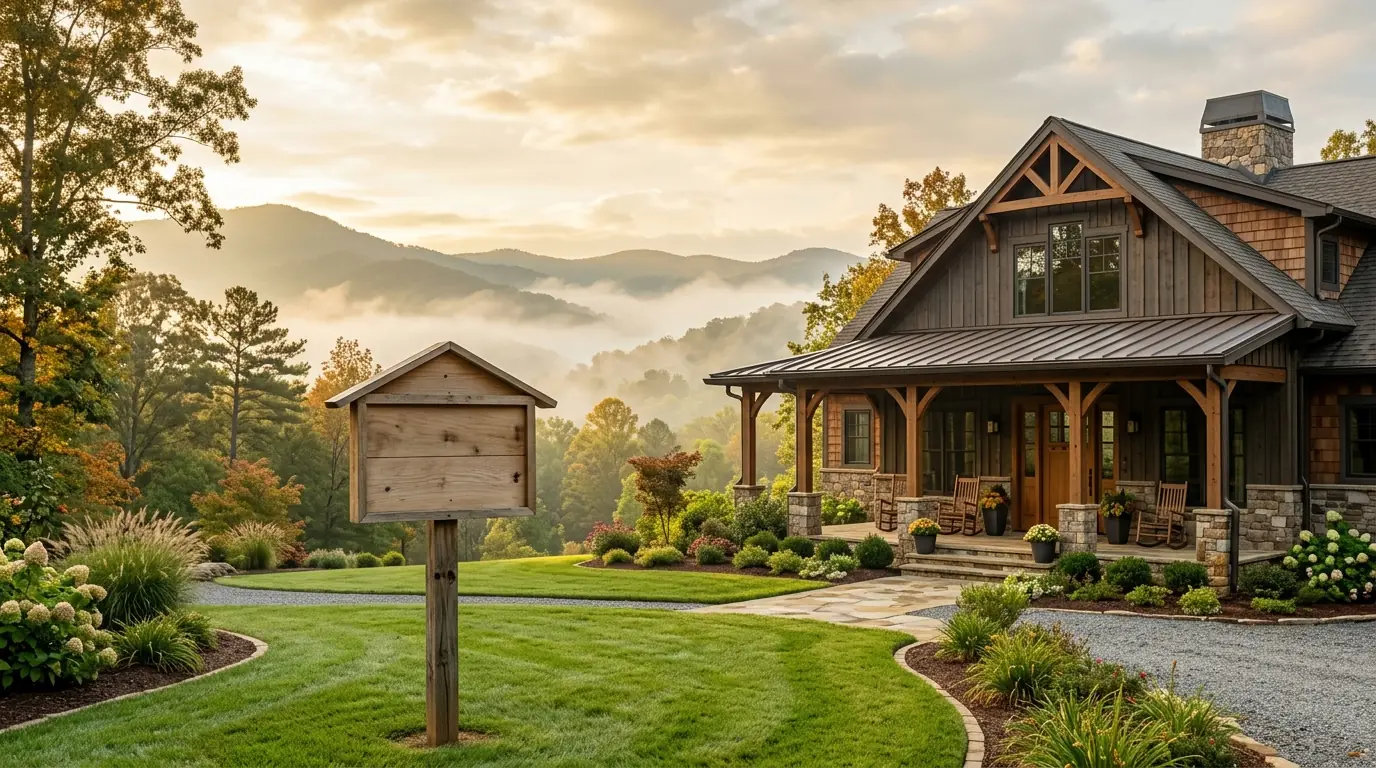
    A wooden “For Sale” sign stands on a manicured lawn before a modern craftsman house framed by mist-covered mountain hills

    Why Buyers Are Choosing Dahlonega

    To understand the Dahlonega market, you have to understand the migration story that has been reshaping North Georgia. Metro Atlanta residents have been moving to the region in meaningful numbers, drawn by remote and hybrid work flexibility. Situated in North Georgia, Dahlonega offers a distinctly elevated quality of life for buyers seeking mountain-town living.

    For those considering living in Dahlonega , the municipality features genuine infrastructure. Supported by the University of North Georgia , local medical services, and a growing restaurant and retail scene, the area sustains permanent relocation rather than just second-home ownership. These lifestyle factors make Dahlonega one of the best small towns to live in Georgia .

    Key Property Categories Moving in the Market

    Demand in Lumpkin County spans several distinct property types across the market:

    • Single-Family Homes: Detached homes remain the primary demand category. Entry-level inventory remains constrained, and move-in-ready homes in accessible ranges generate competitive interest.
    • Mountain Cabins and Acreage: Properties featuring creek frontage, mountain views, or proximity to hiking trails appeal strongly to second-home buyers and primary residents seeking privacy and land.
    • New Construction: Development continues across the county, with pace influenced by infrastructure capacity such as water and sewer access, land costs, and regional builder activity.
    • Golf Community Real Estate: Achasta, the Jack Nicklaus-designed golf community along the Chestatee River, represents the premium segment with limited resale inventory.
    Property Category Target Buyer Focus Market Characteristics
    Single-Family Homes Primary residents & relocators Core market demand; entry-level inventory remains constrained.
    Mountain Cabins & Acreage Second-home buyers & privacy seekers Features creek frontage, mountain views, and recreational land.
    New Construction Buyers seeking modern builds Pace dependent on regional builder activity and water/sewer access.
    Golf Community Homes Premium luxury buyers Centered at Achasta; limited resale inventory along the Chestatee River.

    Buyer Demographics Driving Demand

    Quick answer: Who is buying in Dahlonega?

    The buyer pool is led by full-time relocators from Atlanta seeking remote work flexibility, alongside second-home buyers, retirees attracted to healthcare and the walkable downtown, and short-term rental investors.

    Relocators are often attracted by the favorable Dahlonega cost of living relative to metro Atlanta. Additionally, retirees and pre-retirees are drawn to the town’s mountain character, accessible healthcare, and walkable downtown square.

    Market Conditions and Strategic Advice

    Market Tip for Buyers

    Confirm financing arrangements before touring properties, as desirable homes in competitive price points and prime locations move quickly.

    For buyers, working with a local agent who possesses deep community insight is essential, as national or metro Atlanta-focused agents often lack specific regional knowledge.

    Short-Term Rental Caution

    Verify local Lumpkin County short-term rental regulations and municipal zoning rules directly before purchasing any property intended for rental investment income.

    Accurate initial pricing and strong local market representation remain essential for sellers navigating current market conditions.

    Factors Shaping the Market Outlook

    Several broader factors will continue to influence local real estate dynamics moving forward:

    • Interest Rate Dynamics: Mortgage rate conditions continue to affect buyer qualification and contribute to the national inventory lock-in effect.
    • Infrastructure Investment: County investments in roads, water and sewer capacity, and broadband access dictate where regional growth can occur.
    • Commercial Growth: Development along the GA-400 corridor near Dahlonega continues to strengthen the local economic foundation.

    Frequently Asked Questions

    Is now a good time to buy in Dahlonega?

    Market timing is impossible to predict with certainty. What’s consistent is that Dahlonega has fundamentals — natural setting, growing amenities, proximity to Atlanta — that have supported demand across different rate environments. Buyers who find a property that genuinely meets their needs at a fair price generally have reason to feel confident regardless of the specific timing.

    How does Dahlonega’s market compare to other North Georgia mountain towns?

    Each mountain town has its own market dynamics. Dahlonega benefits from GA-400 access (no congested mountain highway to navigate), the University of North Georgia, and a particularly well-developed downtown. These factors differentiate it from comparables like Blue Ridge or Helen in ways that matter to many buyers.

    Are home prices in Dahlonega still rising?

    The pace of appreciation has moderated from the accelerated levels seen in prior years. Conditions vary by property type and location. Your agent can provide current comparable data for the specific property type and area you’re considering.

    What’s the inventory situation in Dahlonega right now?

    Inventory has remained relatively tight in popular segments, though conditions change. Working with a local agent who actively monitors new listings is the most reliable way to understand current availability.

    Ready to Explore Dahlonega Real Estate?

    Connect with local mountain real estate experts to navigate the market with confidence.

    Search North Georgia homes with Gold Peach Realty

    or call (770) 283-1223

  • Lumpkin County Schools: A Guide for Families Moving to Dahlonega

    Lumpkin County Schools: A Guide for Families Moving to Dahlonega

    Quick answer (TL;DR)

    Lumpkin County Schools operates a compact public school system serving Dahlonega with elementary, middle, and high school campuses. Families enjoy a close-knit community feel, smaller district scale, direct access to faculty, and unique high school dual-enrollment opportunities through the local University of North Georgia campus. Confirm specific address attendance zones directly with the district.

    For families relocating to Dahlonega, the Lumpkin County School System offers a compact public district defined by a close-knit community culture and direct connections to local higher education.

    Compact District Scale
    UNG Dual Enrollment
    GHSA Athletics Program
    Community Campus Culture
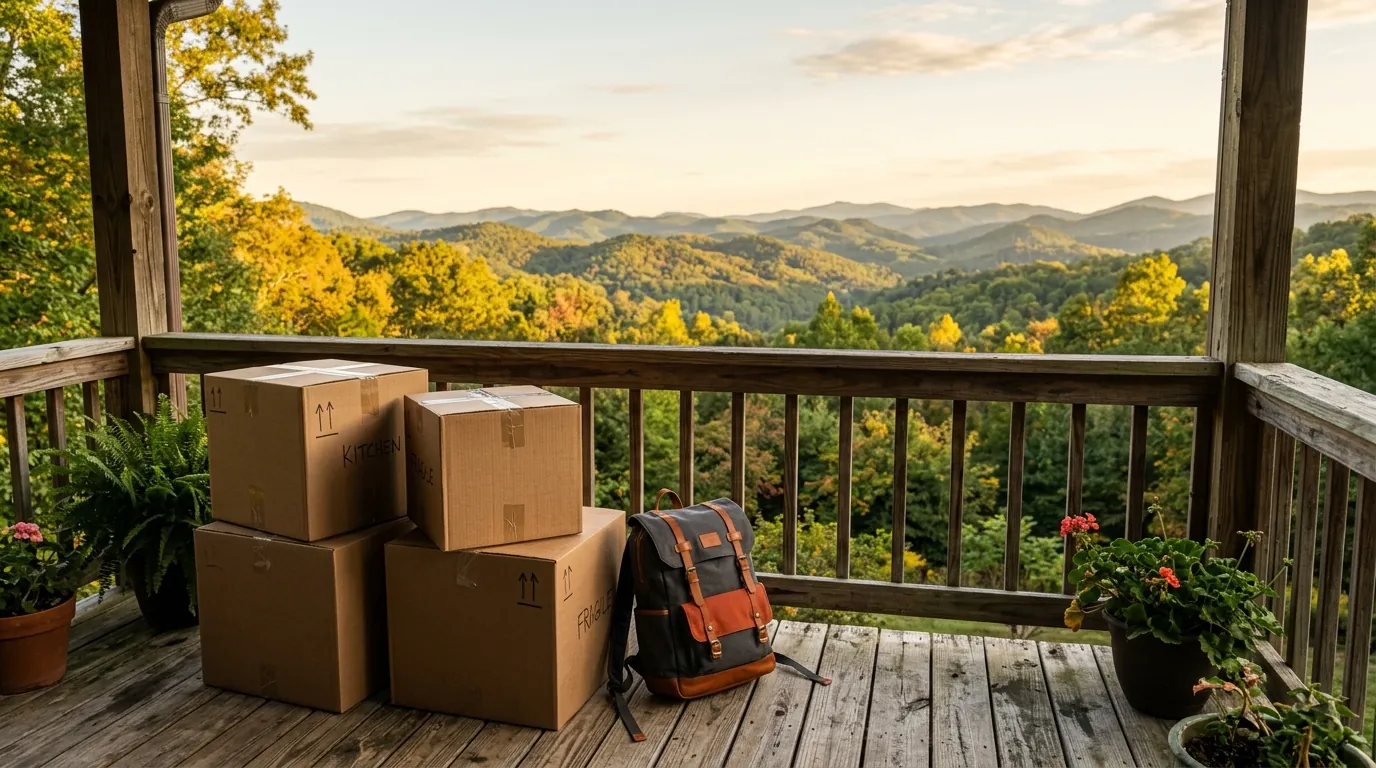
    Packed moving boxes and a new school backpack rest on a wooden porch, overlooking rolling, tree-covered mountain ridges in soft morning sunlight
    Packed moving boxes and a new school backpack rest on a wooden porch, overlooking rolling, tree-covered mountain ridges in soft morning sunlight

    Overview of Lumpkin County Schools

    For families with school-age children, the quality and character of local schools is one of the most significant factors in a relocation decision. If you are considering living in Dahlonega and Lumpkin County, understanding what the public school system offers helps you make an informed choice when purchasing a home.

    Lumpkin County operates a relatively compact school system that reflects the county’s size and character. Unlike large suburban school districts with dozens of campuses, Lumpkin County’s system gives families a more direct line to school administrators, teachers, and the community culture that shapes each campus. The district serves the city of Dahlonega and the broader Lumpkin County area through a unified set of campuses covering elementary, middle, and high school grades.

    A smaller public district fosters strong relationships between families, teachers, and administrators across every grade level.

    School Campuses and Academic Pathways

    Elementary campuses in Lumpkin County serve the youngest students in the district. Elementary schools in smaller county systems like this one often have relatively small class sizes and close relationships between teachers and families. Because attendance zones can change as population grows, confirming which elementary school serves a specific home address is important during your real estate search.

    Lumpkin County Middle School covers the transition years between elementary and high school, providing academic programs, extracurricular options, and adolescent development support in a accessible district environment.

    University Partnership

    High school students in Lumpkin County have a distinct advantage through dual enrollment partnerships with the University of North Georgia right in Dahlonega.

    Lumpkin County High School serves as the hub of the school system’s athletic and extracurricular programming. The high school offers a range of academic options including Advanced Placement courses, Career and Technical Education pathways, and dual enrollment programs through the University of North Georgia —a significant local benefit given UNG’s presence in Dahlonega. The ability to take university courses for college credit while still in high school is a meaningful advantage that many small-town districts cannot replicate.

    Quick answer: District Advantage

    The system’s proximity to the University of North Georgia allows high school students to earn college credit through dual enrollment while benefiting from a close-knit small-town campus environment.

    Evaluating Educational Options for Your Move

    Families researching why Dahlonega is one of Georgia’s best small towns to live in often evaluate both public and alternative educational pathways. When preparing for a relocation, follow these steps to evaluate the local educational climate:

    1. Step 1 Verify current attendance zones directly with the school system office for your target neighborhood or property address.
    2. Step 2 Confirm active Advanced Placement courses and dual enrollment offerings available at the high school level for college planning.
    3. Step 3 Review bus routing, transportation schedules, and commute distances from potential rural or mountain home locations.
    4. Step 4 Inquire about available athletic programs, arts, clubs, and specialized learning support or special education services.

    Because Dahlonega maintains a small-town scale, private school options within the immediate area are limited compared to major metro regions. Homeschooling is an active choice for some Lumpkin County families, supported by Georgia’s straightforward notification requirements and local community co-ops. Evaluating both school options and the broader Dahlonega cost of living ensures a well-rounded transition for your household.

    Verify Attendance Zones Before Buying

    School attendance zones and bus routes can adjust as the county grows. Always verify current school assignment boundaries directly with the district office before making a home purchase decision.

    Frequently Asked Questions

    How do I find out which school serves my address in Lumpkin County?

    The Lumpkin County School System website and main office can provide attendance zone information for specific addresses. This is worth confirming before making a purchase decision if school assignment is a factor.

    What sports are available at Lumpkin County High School?

    LCHS participates in GHSA (Georgia High School Association) athletics across multiple sports. The full current lineup of teams and programs can be confirmed on the school’s website or by contacting the school directly.

    Is the Lumpkin County School System growing?

    Lumpkin County’s overall population growth has put pressure on the school system’s capacity in recent years. Facilities investment and planning to accommodate growth are ongoing considerations for the district. Current enrollment and capacity information can be obtained from the district office.

    Are there before- and after-school care options in Dahlonega?

    Options exist but are more limited than in larger suburban markets. Families should assess specific childcare availability for the age group and school location relevant to their needs.

    Looking for North Georgia Real Estate?

    Search listings and connect with our local agents today.

    Search North Georgia homes with Gold Peach Realty

    or call (770) 283-1223

  • New Businesses Opening in Dahlonega GA: Growth and Development Updates

    New Businesses Opening in Dahlonega GA: Growth and Development Updates

    Quick answer (TL;DR)

    Dahlonega and Lumpkin County are experiencing steady commercial growth, driven by expanding population, wine tourism, and accessibility along the GA-400 corridor. New developments include boutique lodging, diverse dining concepts, healthcare services, and retail along commercial strips. This economic expansion enhances local amenities and supports long-term property values for residents and prospective home buyers.

    Dahlonega’s commercial landscape is steadily evolving through new restaurants, expanding hospitality, retail additions, and infrastructure improvements across Lumpkin County.

    2026 Active Growth Year
    GA-400 Key Logistics Corridor
    Dahlonega Plateau Wine Industry AVA
    Lumpkin County Expanding Resident Base
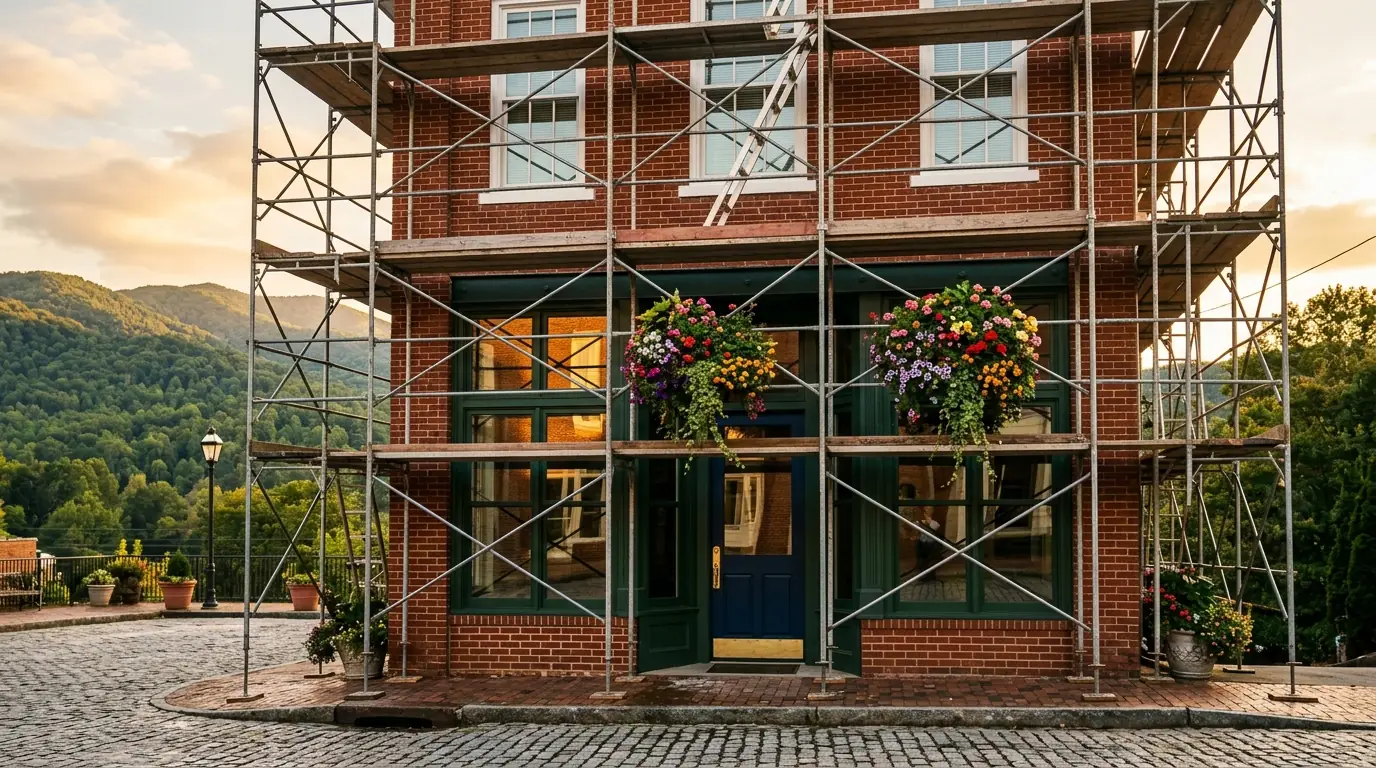
    Scaffolding frames a historic brick storefront with fresh paint, polished glass windows, and vibrant flower baskets overlooking a sunny square
    Scaffolding frames a historic brick storefront with fresh paint, polished glass windows, and vibrant flower baskets overlooking a sunny square

    Drivers of Commercial and Economic Growth

    Dahlonega’s commercial landscape has been evolving steadily, and recent years reflect an active period of business development across Lumpkin County. For residents and prospective home buyers, understanding local commercial activity is directly relevant — business growth supports the local economy, adds to quality-of-life amenities, and signals the long-term health of a community.

    Population growth in Lumpkin County has created demand for essential services and retail that was not present even five years ago. As the permanent and part-time residential base expands, businesses that depend on local spending — such as grocery, healthcare, personal services, and dining — have more reason to invest in the local market. For those exploring Living in Dahlonega: What It Is Actually Like to Call This Mountain Town Home , this growth translates to greater everyday convenience.

    Tourism momentum also continues to build around regional wine country, outdoor recreation, and local historical attractions. Furthermore, the GA-400 corridor gives Dahlonega logistics advantages that more remote mountain communities lack. For businesses requiring supply chain access or employee commuting from Gainesville or the Atlanta suburbs, Dahlonega’s position at the end of a major highway makes it a viable market alternative.

    Quick answer: Key Growth Drivers

    Steady population expansion in Lumpkin County, strong visitor traffic, and direct connectivity along the GA-400 corridor combine to drive new commercial investment in Dahlonega.

    Hospitality, Dining, and Retail Expansion

    The lodging sector in and around Dahlonega has seen continued investment, driven by outdoor recreation demand, wine tourism, and vacation traffic. Boutique accommodations — small inns, renovated historic properties, and purpose-built vacation rental complexes — have been among the active development categories. Short-term rental platforms have also driven property conversions and new construction specifically positioned for traveler traffic.

    Dahlonega’s food scene continues to attract new entrants. The combination of a growing permanent population, high visitor traffic, and local appreciation for independent dining creates a favorable environment for food businesses. New restaurant concepts in the pipeline for the downtown area and the broader GA-400 corridor include casual dining expansions, cafe formats, and specialty food offerings. To learn more about local dining choices, see Eating and Drinking in Dahlonega: A Guide to the Local Food Scene .

    Navigating Seasonal Business Traffic

    New restaurant and food service operations in Dahlonega face seasonal fluctuations. Establishments that perform well during peak fall leaf season need strong weekday local customers and shoulder-season strategies to maintain year-round operations.

    The regional wine industry continues to expand as well, with existing wineries adding capacity and new operations coming online. For a deeper look at the region’s viticulture, read our guide on North Georgia Wine Country: A Guide to the Dahlonega Plateau AVA .

    Retail growth in Dahlonega has been selective. Residents’ preference for independent, locally owned businesses creates both an opportunity and a constraint. National chain retail has made limited inroads in the downtown core, preserving the historic square’s identity. Meanwhile, healthcare services represent a major growth area driven by the aging demographic component of Lumpkin County. For insights into resident finances and services, review Dahlonega GA Cost of Living: What New Residents Should Expect .

    Development Along the GA-400 Corridor

    The stretch of commercial and retail development along GA-400 heading into Dahlonega has seen incremental expansion over recent years. This corridor handles volume-oriented retail and services that support the broader county population without burdening the historic downtown core with chain development.

    Commercial Area Development Focus Role in Community
    Historic Downtown Core Independent retail, dining, boutique lodging, and historic preservation Preserves town charm and serves tourism and local culture
    GA-400 Commercial Corridor Grocery anchors, pad sites, fast-casual dining, automotive, and medical offices Provides essential everyday infrastructure and high-volume services

    New pad sites, retail centers, and commercial developments along GA-400 represent the functional infrastructure that makes the broader local economy work. This corridor’s growth trajectory also has direct planning implications for surrounding residential growth.

    Impact of Commercial Development on Local Residents

    For current residents and prospective home buyers evaluating Why Dahlonega GA Is One of Georgia’s Best Small Towns to Live In , ongoing business growth impacts daily life in concrete ways:

    • Expanded Service Options: More local service options reduce the need to drive to Gainesville or Atlanta for routine daily needs and specialist medical care.
    • Economic Resilience: A diverse business mix that includes major institutions such as The University of North Georgia: Dahlonega’s Military College and the Town It Shaped creates a stable local economy.
    • Property Value Support: Well-managed commercial development supports residential market health and property values over time.
    Economic Stability Anchor

    Dahlonega’s mix of residential population, university presence, healthcare facilities, and hospitality creates a resilient economic foundation less vulnerable to single-industry disruptions.

    Growing, well-managed commercial development in Lumpkin County supports everyday convenience while reinforcing long-term residential property values.

    Frequently Asked Questions

    How can I find out about new businesses opening in Dahlonega?

    The Dahlonega-Lumpkin County Chamber of Commerce is a primary source for business news in the area. Local Facebook groups, the Lumpkin County government website, and the local newspaper also cover commercial developments.

    Is Dahlonega growing too fast?

    Growth management is a legitimate concern in small towns that become popular destinations. Dahlonega’s city and county governments have planning and zoning processes in place, though views on the appropriate pace of development vary among residents. Attending planning commission meetings or reviewing county planning documents can give you a current picture of what’s proposed and what’s approved.

    Are there opportunities for new businesses in Dahlonega?

    Yes — the market has gaps in various service categories, and the growing population base creates ongoing demand. The Chamber of Commerce and local business development resources can provide more specific information for entrepreneurs considering the market.

    How does Dahlonega’s economy compare to other North Georgia mountain towns?

    Dahlonega’s economy is somewhat more diversified than many comparable mountain towns because of the university, the wine industry, and GA-400 accessibility. This diversity contributes to more consistent economic activity than towns that depend more heavily on seasonal tourism.

    Looking for North Georgia Real Estate?

    Explore listings and connect with local real estate experts in Dahlonega.

    Search North Georgia homes with Gold Peach Realty

    or call (770) 283-1223

  • Why Dahlonega GA Is One of Georgia’s Best Small Towns to Live In

    Why Dahlonega GA Is One of Georgia’s Best Small Towns to Live In

    Quick answer (TL;DR)

    Dahlonega ranks among Georgia’s best small towns because it combines historic gold rush heritage, mountain scenery in the Blue Ridge foothills, and a vibrant downtown square. Home to the University of North Georgia and the Dahlonega Plateau wine region, it offers year-round outdoor recreation and strong community life for residents.

    Nestled in the Blue Ridge Mountain foothills, Dahlonega offers Georgia residents a unique blend of gold rush history, mountain recreation, higher education, and an active small-town community.

    2+ Decades US Mint Operation
    4 Seasons Mountain Scenery
    Foothills Blue Ridge Setting
    UNG Campus Academic Anchor
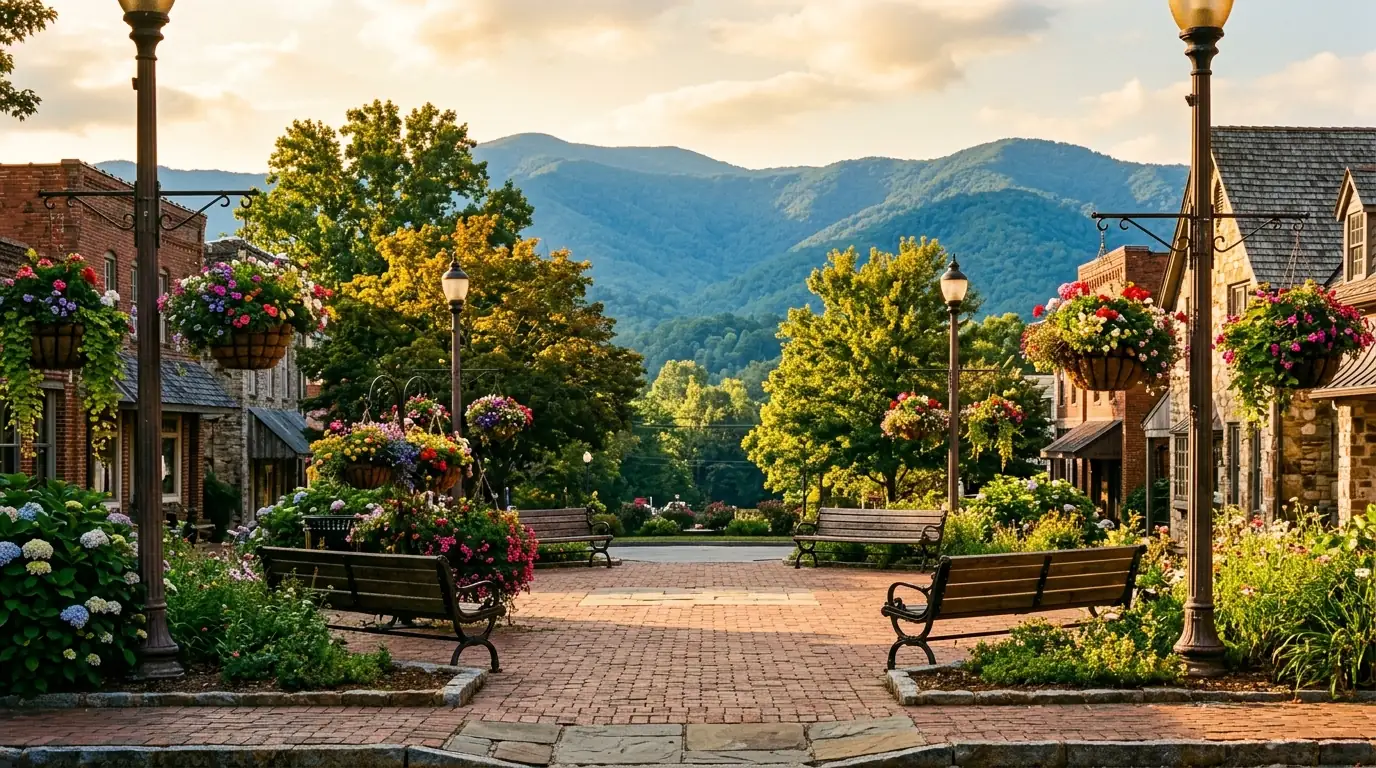
    Sunlight warms a brick town square with flowering hanging baskets, wooden park benches, and lush blue mountain peaks rising gently in the background
    Sunlight warms a brick town square with flowering hanging baskets, wooden park benches, and lush blue mountain peaks rising gently in the background

    Natural Setting and Rich Historical Identity

    Dahlonega’s primary advantage is its setting in the Blue Ridge Mountain foothills. The landscape combines elevation, river corridors, forests, and agricultural land to create a scenic environment across all four seasons. Ridgelines are visible from the historic square, while the Chestatee River flows through the valley below, framing daily life with natural beauty.

    In addition to its setting, the town possesses authentic history. As the site of America’s first major gold rush , Dahlonega hosted a United States Mint facility that operated for over two decades prior to the Civil War. Today, the Dahlonega Gold Museum occupies the original county courthouse on the town square, preserving coins, tools, and historic artifacts. For those exploring living in Dahlonega full-time , this history provides character that newer resort communities cannot match.

    Historic Heritage

    Unlike purpose-built resort towns, Dahlonega rests on genuine history as the site of America’s first major gold rush and a former U.S. Mint branch location.

    Downtown Vitality and the University Advantage

    Dahlonega’s historic square functions as an active community center. Local businesses, dining spots, and retail shops line the streets, serving permanent residents year-round rather than relying strictly on seasonal tourism.

    Adjacent to downtown, the University of North Georgia plays a key role in town life. The university brings intellectual, artistic, and athletic programming while providing steady employment outside the tourism sector. High school students benefit from dual enrollment access, while residents enjoy lifelong learning options, lectures, and cultural performances.

    Quick answer: Why UNG Matters

    The University of North Georgia provides economic stability independent of seasonal tourism while offering cultural, athletic, and educational opportunities for local residents.

    Wine Country Living and Outdoor Recreation

    The town sits within the recognized Dahlonega Plateau AVA viticultural area. Local wineries, harvest events, and tasting rooms contribute to the region’s agricultural identity and local economy.

    Outdoor recreation options are available right outside the downtown area:

    • Access to the southern approach trailheads for the Georgia Appalachian Trail at nearby Amicalola Falls State Park
    • Kayaking and fly fishing along the Chestatee River
    • Mountain hiking and cycling trails located within minutes of downtown
    Considerations for Prospective Buyers

    Residents experience increased weekend traffic during peak autumn months, rely on automobiles for most errands outside downtown, and may need to travel to larger medical centers for specialized healthcare.

    Dahlonega offers a genuine mountain lifestyle supported by deep historic roots, higher education, and an active year-round community.
    Town Feature Impact on Daily Life
    Blue Ridge Foothills Provides mountain ridgeline views during daily commutes, walks, and outdoor activities.
    Historic Town Square Hosts locally owned businesses, dining, and shops that operate year-round for residents.
    University Campus Adds cultural events, athletic games, civic energy, and educational opportunities.
    Viticultural Area Integrates regional vineyard culture and seasonal agricultural events into local life.
    River & Trail Access Allows residents to go kayaking or hiking within minutes of completing the workday.

    Frequently Asked Questions

    What are the downsides of living in Dahlonega?

    Downsides include limited service depth compared to metro areas, healthcare requiring travel for specialized care, car dependency outside the downtown core, and a more limited local job market for in-person employment.

    Is Dahlonega a good place to raise a family?

    Many families find it excellent due to small-town school scale, exceptional outdoor access, enrichment from the local university, and a safe, family-oriented community environment.

    Is Dahlonega too touristy to actually live in?

    While fall weekends bring heavy tourist traffic, Dahlonega has a permanent year-round community. Residents quickly learn which peak times to avoid and enjoy the town fully throughout the rest of the year.

    What types of buyers tend to be happiest in Dahlonega?

    Remote workers, retirees, and buyers who value outdoor recreation, small-town community connection, and a mountain lifestyle tend to report high satisfaction living in Dahlonega.

    Find Your Home in Dahlonega

    Explore mountain real estate opportunities with local expertise.

    Search North Georgia homes with Gold Peach Realty

    or call (770) 283-1223

  • Dahlonega GA Cost of Living: What New Residents Should Expect

    Dahlonega GA Cost of Living: What New Residents Should Expect

    Quick answer (TL;DR)

    Living in Dahlonega, Georgia offers a favorable cost profile compared to metro Atlanta, particularly for housing and property taxes. However, factors like limited rental inventory, rural utility needs like propane and well maintenance, healthcare travel, and car dependency mean overall spending depends heavily on your specific daily lifestyle and commute patterns.

    Understanding the real cost of living in Dahlonega and Lumpkin County requires looking beyond simple state averages to evaluate housing, taxes, utilities, and daily transportation.

    HOUSING Metro Atlanta alternative
    GA-400 Primary commute corridor
    TAXES Lower property tax burden
    UTILITIES Propane & electric variables
    A house key resting on a monthly budget sheet beside a cup of coffee on a porch overlooking distant mountain peaks
    A house key resting on a monthly budget sheet beside a cup of coffee on a porch overlooking distant mountain peaks

    Housing Costs and Property Taxes in Lumpkin County

    For most households, housing is the largest single expense, and it is where the Dahlonega picture looks most favorable compared to metro Atlanta. While Lumpkin County’s housing market has seen appreciation over recent years, what you can buy for a given budget here generally exceeds what is available at comparable price points in Forsyth, Cherokee, or Fulton counties.

    Options range across mountain cabins with acreage, historic homes near the downtown square, newer construction in established neighborhoods, and golf community properties. Because prices change, buyers should verify specific figures with real-time MLS data through a local real estate agent.

    Dahlonega’s rental market is smaller than its for-sale market. Inventory is limited, as the short-term rental market has absorbed supply that might otherwise serve long-term tenants. Families planning to rent before buying should prepare for limited availability.

    Homestead Exemption Benefits

    Georgia’s homestead exemption program provides meaningful property tax relief for primary-residence owners. Additional property tax exemptions apply for eligible seniors and veterans through the Lumpkin County Tax Commissioner’s office.

    Property tax burdens in Lumpkin County are generally lower than comparable metro-area counties. Specific rates vary based on whether a home is located within or outside city limits, property type, and eligible exemptions.

    Utilities and Infrastructure Considerations

    Utility costs in Dahlonega depend on property type and exact location. Electric service is provided primarily through Habersham EMC and other local cooperatives. Homes in the mountains, particularly those relying on electric heat, can experience higher winter power bills than newcomers expect.

    Natural gas is available in parts of Dahlonega, but many rural cabins and mountain properties rely on delivered propane for winter heating, which carries fluctuating prices. Water and sewer arrangements also impact ongoing operating costs:

    • Municipal Water & Sewer: Available within city limits, offering predictable monthly utility billing.
    • Well & Septic Systems: Common in rural acreage properties, requiring routine owner maintenance and periodic repair budgets.
    Caution: Remote Work & Mountain Infrastructure

    Before purchasing a rural cabin or acreage, confirm broadband availability at the specific address and evaluate prospective well, septic, and propane systems during standard contract due diligence.

    Quick answer: Is Dahlonega affordable for buyers?

    For buyers making a genuine lifestyle shift who work locally or remotely and embrace mountain living, the overall financial picture in Dahlonega can be very favorable compared to suburban metro Atlanta.

    Daily Expenses, Healthcare, and Transportation

    Day-to-day retail and grocery options within Dahlonega satisfy standard household needs, supplemented by local producers and seasonal markets. For major specialty stores or major big-box retailers like Costco or Target, residents typically drive to nearby regional hubs like Gainesville or Cumming.

    When eating and drinking in Dahlonega , residents find an array of independent lunch spots and mid-range dining choices rather than high-end metro chains. Understanding living in Dahlonega means accepting these retail trade-offs in exchange for small-town character.

    For buyers who are making a genuine lifestyle shift and finding satisfaction in what the mountain community offers, the financial picture can be very favorable.

    Healthcare services in Dahlonega are expanding. Local primary care clinic options handle routine medical needs, while specialized care or regional hospital services require a short drive to Northeast Georgia Medical Center in Gainesville or adjacent counties.

    Transportation is another key factor in why Dahlonega GA is one of Georgia’s best small towns to live in . Outside the walkable downtown square, a vehicle is necessary. For remote or local workers, transportation costs remain modest. However, regular commuters down the GA-400 corridor to metro Atlanta must factor in additional fuel costs and vehicle wear.

    Expense Category Dahlonega / Lumpkin County Suburban Metro Atlanta
    Housing Value More acreage and square footage relative to purchase price Higher cost per square foot across major suburban counties
    Property Tax Burden Generally lower overall millage rates with homestead relief Higher relative assessed rates across metro jurisdictions
    Utilities Infrastructure Propane delivery, cooperative electric, and well/septic options Municipal natural gas, city sewer, and standard regional utilities
    Transportation Costs Low local driving demands; higher cost for GA-400 commuters Higher daily suburban commuting patterns and toll lane options

    Frequently Asked Questions

    Is Dahlonega cheaper to live in than Atlanta?

    For housing, generally yes. For everything else, the comparison is more nuanced. Services that require a drive add time and fuel costs. Daily expenses for groceries and basics are comparable. The overall picture depends on your specific lifestyle and spending patterns.

    Are there significant hidden costs in mountain home ownership?

    Mountain properties can have higher maintenance costs related to terrain, weather exposure, and the wear that comes from older building stock in rural areas. Well and septic maintenance, propane costs, and occasional infrastructure challenges are factors that buyers from conventional suburban backgrounds sometimes underestimate.

    How does the cost of living in Dahlonega compare to other North Georgia mountain towns?

    Dahlonega generally tracks similarly to comparable mountain towns in the region, with some premium reflecting its above-average amenity base and GA-400 accessibility.

    What income level do you need to live comfortably in Dahlonega?

    This depends entirely on lifestyle, family size, and whether you’re carrying a mortgage. There’s no universal answer, but the combination of housing costs, utilities, transportation, and services in Lumpkin County is manageable for a broad range of income levels relative to metro Atlanta.

    Ready to explore Dahlonega real estate?

    Connect with local mountain community experts today.

    Search North Georgia homes with Gold Peach Realty

    or call (770) 283-1223

  • Living in Dahlonega: What It Is Actually Like to Call This Mountain Town Home

    Living in Dahlonega: What It Is Actually Like to Call This Mountain Town Home

    Quick answer (TL;DR)

    Living in Dahlonega offers a balance of mountain scenery, historic small-town character, and strong community life. Supported by the University of North Georgia and a growing retiree population, Lumpkin County features diverse housing options, accessible outdoor recreation, and convenient access to regional amenities in Gainesville and Atlanta.

    Living in Dahlonega combines scenic mountain beauty, a vibrant historic square, and a welcoming community atmosphere in Lumpkin County.

    GA 400 Atlanta Corridor
    GA 60 Gainesville Route
    Northside Local Hospital
    Lumpkin Public Schools
    Morning mist clings to forested mountain ridges behind a historic brick-paved street, where rocking chairs sit invitingly on a wooden porch
    Morning mist clings to forested mountain ridges behind a historic brick-paved street, where rocking chairs sit invitingly on a wooden porch

    Community Life and Local Character

    Dahlonega serves as the county seat of Lumpkin County, where the permanent population stands at approximately seven thousand residents within the city limits, with the broader county population near thirty-three thousand. Over the past two decades, the demographic composition has evolved. The traditional base of long-rooted local families has been joined by retirees relocating from metropolitan areas, a substantial university community, and remote workers who rely on broadband internet.

    This demographic mix sustains a wide range of civic activities, local services, and cultural programs. It also explains why Dahlonega is one of Georgia’s best small towns to live in . The University of North Georgia brings concerts, lectures, and theatrical performances to the area, while local businesses and seasonal markets anchor daily social life.

    Life in Dahlonega offers daily mountain views and authentic community connections that are difficult to replicate in suburban environments.

    Housing Options and Real Estate

    Lumpkin County’s residential market has experienced steady appreciation driven by primary home buyers and interest in second homes. While property values have increased over the past decade, housing options remain lower in cost compared to similar mountain destinations in western North Carolina, Tennessee, or Virginia.

    Prospective buyers can explore options ranging from historic homes near the square to mountain properties across the county using the Dahlonega Real Estate Guide .

    Property Segment Key Features Location & Attributes
    In-Town Historic Homes Late nineteenth to mid-twentieth century architecture Walkable to town square restaurants, shops, and cultural venues
    Immediate Outskirts More recent construction with increased yard space Located just outside the city limits at accessible price points
    Mountain Cabins Modest wooded cabins to expansive luxury estates Ranging from private wooded lots to tracts with long-range mountain views

    Education, Healthcare, and Transportation

    Public education is provided by the Lumpkin County School District, which operates an elementary, middle, and high school system. High school students can participate in dual enrollment programs with the local university. Families seeking private school alternatives typically look to Gainesville, located approximately thirty minutes southeast via Highway 60.

    Educational Resources

    The presence of the University of North Georgia provides dual enrollment opportunities for high school students, alongside access to university library resources, athletic facilities, and public events.

    Healthcare needs are handled through local and regional providers. Northside Hospital Dahlonega offers routine emergency and outpatient care locally.

    Healthcare Access Considerations

    For specialized medical care, residents typically travel thirty minutes to Northeast Georgia Medical Center in Gainesville. Prospective residents with complex health needs should evaluate commute times for planned and emergency care.

    Dahlonega is an automobile-dependent community without public transit. Driving to Atlanta’s northern suburbs like Alpharetta, Cumming, or Roswell takes approximately one hour via Georgia 400 from Dawsonville. Reaching downtown Atlanta takes roughly ninety minutes under favorable traffic conditions, while Hartsfield-Jackson Atlanta International Airport is located about ninety minutes south.

    Daily Life and Mountain Living

    Living in Lumpkin County provides immediate access to natural scenery and outdoor recreation. Residents can easily enjoy trail running in the Chattahoochee National Forest, spending an afternoon experiencing North Georgia Wine Country , or watching the dramatic shift of fall color in the North Georgia mountains .

    Quick answer: What is daily life like in Dahlonega?

    Daily life in Dahlonega revolves around mountain views, seasonal festivals, local dining, outdoor activity, and walking around the historic town square.

    The town’s social life is further enhanced by eating and drinking in Dahlonega , featuring local dining options on the square alongside nearby local attractions and points of interest .

    Frequently Asked Questions

    What is the commute time from Dahlonega to Atlanta?

    Driving to Atlanta’s northern suburbs like Alpharetta, Cumming, or Roswell takes approximately one hour via Georgia 400 from Dawsonville. Reaching downtown Atlanta takes roughly ninety minutes under favorable traffic conditions.

    What healthcare facilities serve Dahlonega residents?

    Northside Hospital Dahlonega provides routine and emergency services locally. For specialized care, residents typically travel thirty minutes to Northeast Georgia Medical Center in Gainesville.

    How far is the nearest major airport from Dahlonega?

    Hartsfield-Jackson Atlanta International Airport is located approximately ninety minutes south via Georgia 400 and I-285/I-85.

    Explore Dahlonega Real Estate

    Find your ideal mountain home or property in Lumpkin County today.

    Search North Georgia homes with Gold Peach Realty

    or call (770) 283-1223

  • Eating and Drinking in Dahlonega: A Guide to the Local Food Scene

    Eating and Drinking in Dahlonega: A Guide to the Local Food Scene

    Quick answer (TL;DR)

    Dahlonega’s culinary scene has expanded significantly beyond traditional Southern fare, offering an engaging mix of historic boarding-house family dining, vibrant square taverns, fresh coastal seafood, craft coffee shops, seasonal farmers markets, and upscale destination vineyard dining across North Georgia wine country.

    Dahlonega offers a diverse culinary scene featuring historic Southern dining, lively square taverns, fresh seafood, and destination winery restaurants.

    1922 Smith House Established
    Family-Style Traditional Dining Model
    40 Minutes Distance to Ellijay Orchards
    Weekend Brunch Vineyard Dining Specialty
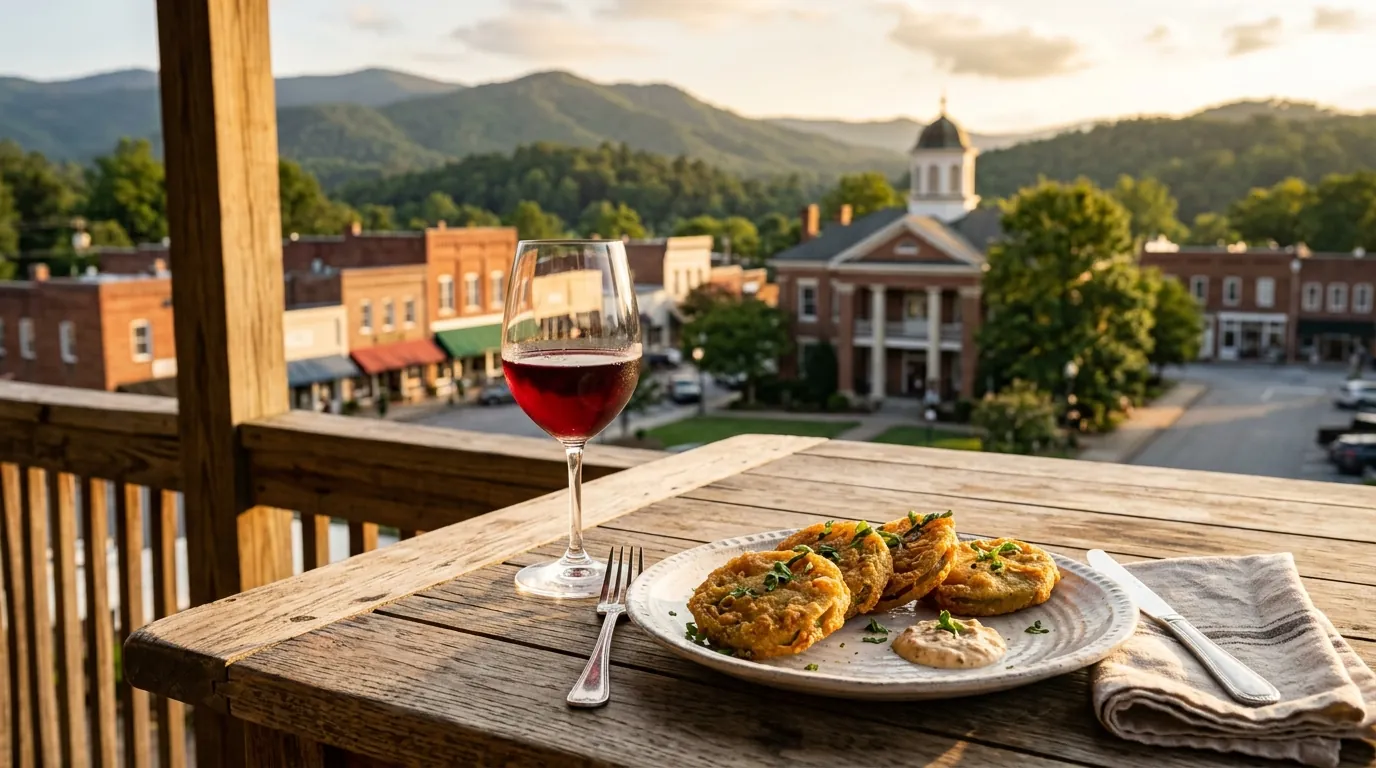
    A glass of local wine and a plate of fried green tomatoes sit on a sunlit wooden table overlooking a historic town square
    A glass of local wine and a plate of fried green tomatoes sit on a sunlit wooden table overlooking a historic town square

    Historic Boarding House Traditions and Downtown Favorites

    The culinary life of Dahlonega has expanded considerably over the past decade, moving from traditional Southern cooking toward a broader and more ambitious food scene. The presence of the University of North Georgia creates a steady demand for varied dining options, while wine country tourists and new residents support dynamic local eateries.

    The Boarding House Dining Tradition

    The Smith House serves meals family-style at long shared tables, offering fried chicken, rotating Southern vegetables, cornbread, biscuits, and homemade desserts in the tradition of historic small-town Southern boarding houses.

    Any exploration of local food begins with The Smith House, located on South Chestatee Street. Operating since 1922, it serves fried chicken, squash casserole, collard greens, field peas, and butter beans passed family-style to guests. Downtown around the public square, visitors and locals gather at Shenanigan’s Irish Pub for pub fare and regional craft beers on the patio, or enjoy live music and casual meals at The Crimson Moon Cafe on North Park Street. Seafood enthusiasts frequent the Back Porch Oyster Bar for fresh shellfish sourced from coastal Georgia and Florida, while Kangaroo Coffee provides morning espresso and daily pastries near the square.

    Quick answer: What makes Dahlonega’s dining scene unique?

    Dahlonega balances deep historic roots like family-style boarding house feasting with lively downtown pubs, fresh coastal seafood, local roasted coffee, and refined winery dining framed by mountain views.

    Destination Winery Restaurants

    Several wineries in the regional AVA have created sophisticated food programs that serve as standalone culinary destinations. Those exploring our wineries guide will find memorable dining options right on the vineyards.

    • Wolf Mountain Vineyard Restaurant: Known for weekend brunch and seasonal American cuisine with European influences, featuring scenic mountain backdrop views.
    • Le Vigne at Montaluce: Located at Montaluce Winery and Estates, offering Italian-inspired dishes, house-made pastas, antipasti, and estate wines.
    Reservations Required

    Weekend brunch and dinner service at vineyard restaurants fill quickly. Advance reservations are strongly recommended, particularly during the autumn season.

    From traditional family-style boarding house tables to estate vineyard verandas, Dahlonega’s food scene reflects a vibrant blend of mountain heritage and modern hospitality.

    Comparing Popular Dahlonega Dining Destinations

    Whether you are visiting for a weekend trip or considering living in Dahlonega , the town offers distinct dining atmospheres suited to every occasion.

    Restaurant Name Cuisine & Style Key Highlights
    The Smith House Traditional Southern Family-style passing tables, historic 1922 setting, inn lodging on site
    Shenanigan’s Irish Pub Pub Fare & Craft Beer Patio overlooking the square, regional drafts, casual atmosphere
    The Crimson Moon Cafe American Cafe & Live Music Intimate listening room for bluegrass and folk, casual dining
    Back Porch Oyster Bar Fresh Seafood & Shellfish Coastal Georgia/Florida supply chain, back porch seating, wine menu
    Le Vigne at Montaluce Italian & Fine Dining Estate vineyard views, handcrafted pasta, paired wine selections

    Local Agriculture, Farmers Markets, and Regional Produce

    Local agricultural offerings add another layer to the area’s food culture. The Dahlonega Farmers Market operates on Saturday mornings from spring through fall at the Lumpkin County Extension Office on Morrison Moore Parkway. Local growers bring fresh berries, peaches, honey, vegetables, cut flowers, and baked goods.

    Spring strawberry picking at nearby farms remains a popular tradition, while apple orchards in the foothills near Ellijay, located approximately forty minutes west, offer pick-your-own operations during autumn. Check out our dining and drinks page to discover more places to eat, or learn why Dahlonega is one of Georgia’s best small towns to live in.

    Frequently Asked Questions

    Where is The Smith House located?

    The Smith House is located at 84 South Chestatee Street in Dahlonega, Georgia.

    What destination dining options are available at local wineries?

    Wolf Mountain Vineyard Restaurant offers weekend brunch and seasonal dinners, while Le Vigne at Montaluce Winery and Estates serves Italian-inspired cuisine overlooking the vineyard.

    When does the Dahlonega Farmers Market take place?

    The Dahlonega Farmers Market is held on Saturday mornings from spring through fall at the Lumpkin County Extension Office on Morrison Moore Parkway.

    Find Your Dream Home in North Georgia

    Explore mountain properties, acreage, and historic homes in Dahlonega with Gold Peach Realty.

    Search North Georgia homes with Gold Peach Realty

    or call (770) 283-1223

  • Fall Color in the North Georgia Mountains: A Guide to the Season and Its Best Viewing

    Fall Color in the North Georgia Mountains: A Guide to the Season and Its Best Viewing

    Quick answer (TL;DR)

    Fall color in the North Georgia mountains begins at high elevations in late September and sweeps down through the ridges and valleys during October and early November. The area surrounding Dahlonega features diverse hardwood forests, mountain overlooks, and scenic drives like the Richard B. Russell Scenic Highway, offering an extended viewing window across varying elevations.

    The annual transformation of North Georgia’s forest canopy creates one of the most dramatic autumn leaf displays in the eastern United States.

    4,784 FT Brasstown Bald elevation
    3,450 FT Hogpen Gap elevation
    3,500+ FT Early peak elevation
    1,480 FT Dahlonega town elevation
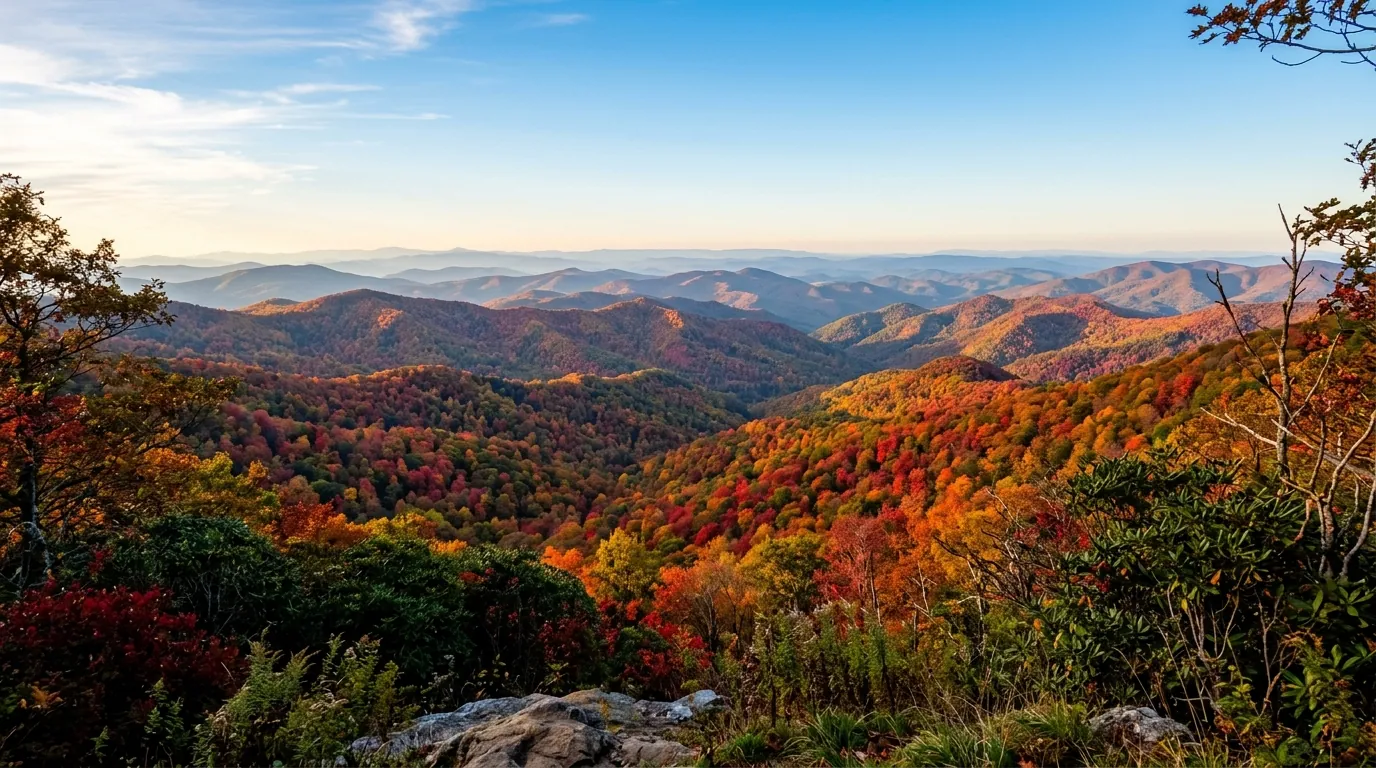
    Layered blue mountain ridges stretch into the distance, blanketed in a vivid canopy of fiery red, orange, and golden autumn leaves
    Layered blue mountain ridges stretch into the distance, blanketed in a vivid canopy of fiery red, orange, and golden autumn leaves

    The Science and Species Behind Mountain Fall Color

    The transformation of leaf color in autumn is a response to shortening days and cooling temperatures signaling trees to enter winter dormancy. Chlorophyll breaks down to reveal carotenoid pigments of yellow and orange. Meanwhile, bright sunny days paired with cool nights stimulate anthocyanins, producing vivid red and purple hues in species like red maple, sumac, Virginia creeper, and dogwood.

    The southern Appalachian forest canopy is exceptionally diverse. Red maples are often among the first to turn, followed by sourwood with its deep wine-red foliage, clear yellow tulip poplars, and dark red or russet oak species. Visitors can explore local outdoor activities through our Outdoor Activities Guide to see these changing leaves firsthand.

    Peak Color Timing Across Elevation Zones

    Quick answer: Elevational viewing

    Because higher elevations peak early in October and lower valleys peak late in October or early November, visitors can find vibrant fall color throughout the entire month by adjusting their drive elevation.

    Because elevation varies significantly across the region, peak foliage occurs at different times depending on where you stand in the mountains.

    Location / Zone Elevation Range Typical Peak Timing
    High Elevations (Brasstown Bald, AT Corridor) Above 3,500 feet First two weeks of October
    Mid-Elevation Mountain Roads 2,000 to 3,500 feet Second and third weeks of October
    Dahlonega Valley & Lower Piedmont 1,480 feet Late October into early November

    For detailed hiking routes across these elevations, review A Hiker’s Guide to Blood Mountain and the Georgia Appalachian Trail to plan an autumn mountain excursion.

    Tracking Leaf Conditions

    The Georgia Department of Natural Resources updates a weekly fall color report during the season, while local ranger stations provide detailed trail and road updates.

    Top Scenic Drives and Viewing Spots

    Several primary routes and vantage points offer exceptional views of the autumn canopy across the southern Blue Ridge:

    • Richard B. Russell Scenic Highway (Georgia 348): A mountain highway running between Helen and Robertstown, climbing to Hogpen Gap at an elevation of 3,450 feet through dense hardwood forest.
    • Brasstown Bald Road: Reaching Georgia’s highest peak at 4,784 feet, offering a summit observation deck with a 360-degree panoramic view across multiple states. Located approximately thirty miles north of Dahlonega via U.S. 19 and Georgia 180. Shuttle options and facility details are available on site (Phone: (706) 745-6928).
    • Winery Ridge Overlooks: Ridge-top tasting rooms throughout the region combine autumn vineyard views with surrounding mountain backdrops. Learn more about regional tasting rooms with North Georgia Wine Country: A Guide to the Dahlonega Plateau AVA or browse our directory to Visit the Wineries .
    The mixed display of oak russets, maple reds, poplar yellows, and sourwood wine-reds across a mature forest canopy is the hallmark of a North Georgia fall peak.

    Planning Your Autumn Visit to Dahlonega

    Autumn is the peak visitor season in Dahlonega. Saturdays bring festival crowds, local celebrations, and high traffic volumes along U.S. 19 and U.S. 400/Georgia 53.

    Peak Weekend Traffic and Logistics

    Lodging and winery reservations fill months ahead for peak October weekends. Downtown parking fills early on Saturdays, though overflow parking is available near the fairgrounds.

    If you prefer a quieter trip, visiting on weekdays offers a more relaxed pace for mountain drives and exploring local downtown shops. Check out scheduled community events in our guide to Fall Events in Dahlonega . Discovering the beauty of autumn in the mountains is a key reason many travelers explore Why Dahlonega GA Is One of Georgia’s Best Small Towns to Live In .

    Frequently Asked Questions

    When exactly will fall color peak in North Georgia?

    Peak color timing varies by elevation. Upper elevations above 3,500 feet peak in early October, mid-elevations peak in mid-October, and lower valley areas around Dahlonega typically peak in late October or early November.

    Explore North Georgia Real Estate

    Find your ideal mountain home or land near Dahlonega with expert local brokerage guidance.

    Search North Georgia homes with Gold Peach Realty

    or call (770) 283-1223

Looking for homes in North Georgia? Visit Gold Peach Realty at goldpeachrealty.com — your local experts in Dahlonega, Gainesville, and the surrounding mountain communities. Call (770) 283-1223.