
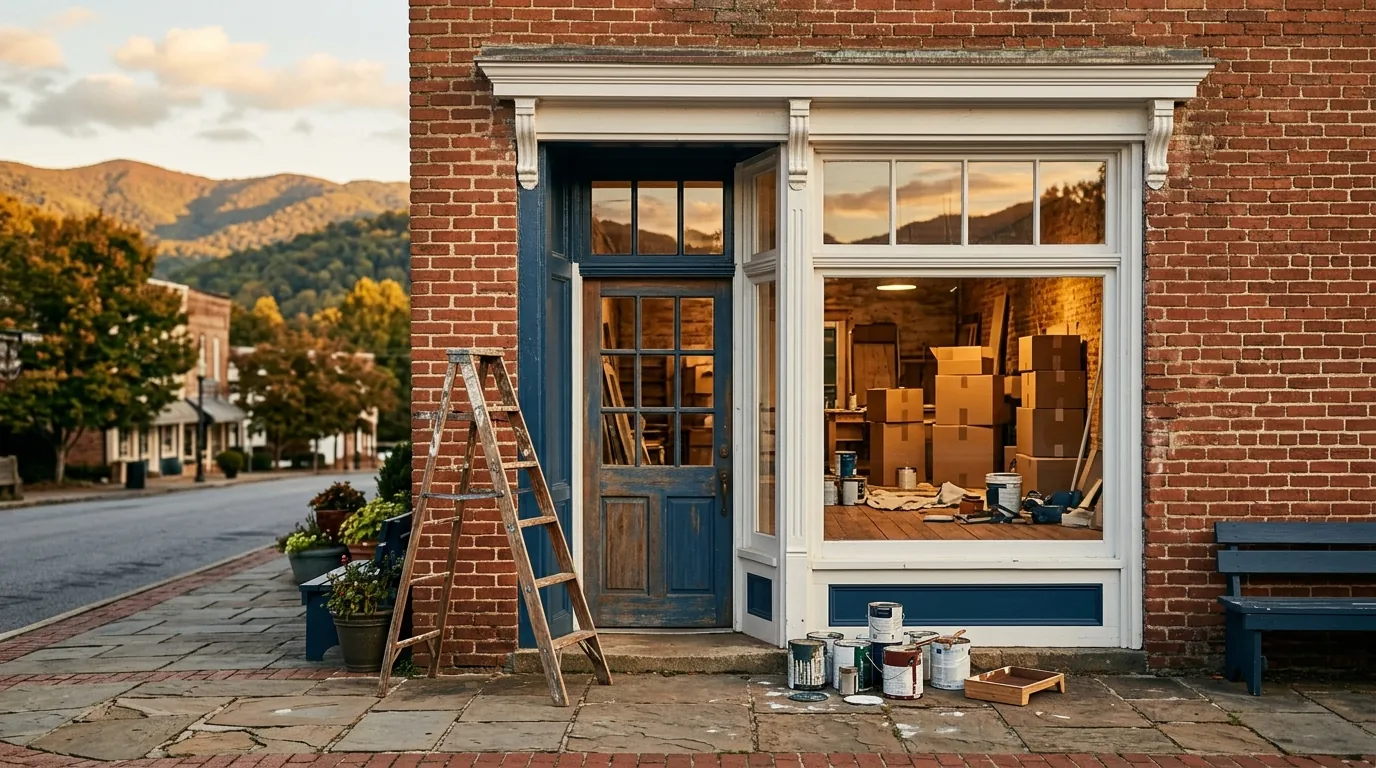
Dahlonega and Lumpkin County are experiencing steady commercial growth, driven by expanding population, wine tourism, and accessibility along the GA-400 corridor. New developments include boutique lodging, diverse dining concepts, healthcare services, and retail along commercial strips. This economic expansion enhances local amenities and supports long-term property values for residents and prospective home buyers.
Dahlonega’s commercial landscape is steadily evolving through new restaurants, expanding hospitality, retail additions, and infrastructure improvements across Lumpkin County.
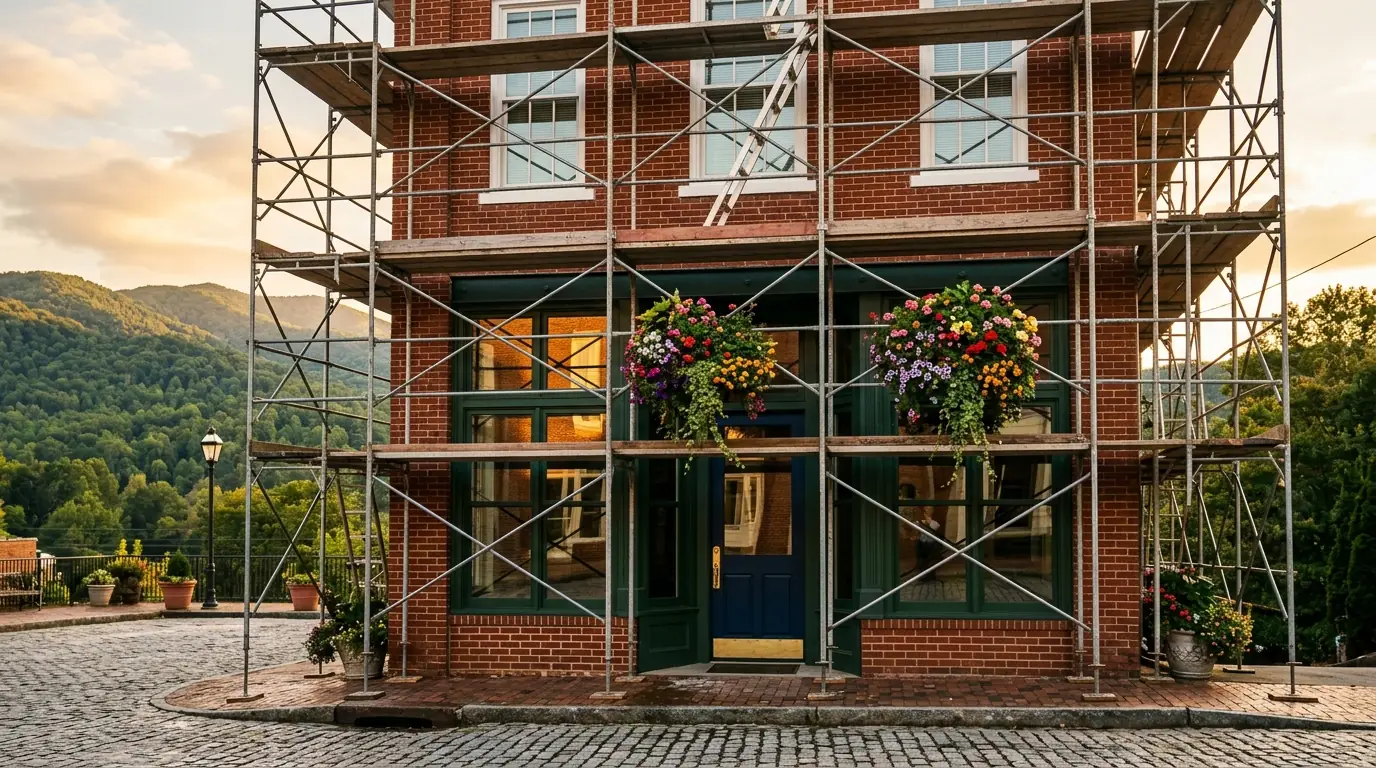
Drivers of Commercial and Economic Growth
Dahlonega’s commercial landscape has been evolving steadily, and recent years reflect an active period of business development across Lumpkin County. For residents and prospective home buyers, understanding local commercial activity is directly relevant — business growth supports the local economy, adds to quality-of-life amenities, and signals the long-term health of a community.
Population growth in Lumpkin County has created demand for essential services and retail that was not present even five years ago. As the permanent and part-time residential base expands, businesses that depend on local spending — such as grocery, healthcare, personal services, and dining — have more reason to invest in the local market. For those exploring Living in Dahlonega: What It Is Actually Like to Call This Mountain Town Home , this growth translates to greater everyday convenience.
Tourism momentum also continues to build around regional wine country, outdoor recreation, and local historical attractions. Furthermore, the GA-400 corridor gives Dahlonega logistics advantages that more remote mountain communities lack. For businesses requiring supply chain access or employee commuting from Gainesville or the Atlanta suburbs, Dahlonega’s position at the end of a major highway makes it a viable market alternative.
Steady population expansion in Lumpkin County, strong visitor traffic, and direct connectivity along the GA-400 corridor combine to drive new commercial investment in Dahlonega.
Hospitality, Dining, and Retail Expansion
The lodging sector in and around Dahlonega has seen continued investment, driven by outdoor recreation demand, wine tourism, and vacation traffic. Boutique accommodations — small inns, renovated historic properties, and purpose-built vacation rental complexes — have been among the active development categories. Short-term rental platforms have also driven property conversions and new construction specifically positioned for traveler traffic.
Dahlonega’s food scene continues to attract new entrants. The combination of a growing permanent population, high visitor traffic, and local appreciation for independent dining creates a favorable environment for food businesses. New restaurant concepts in the pipeline for the downtown area and the broader GA-400 corridor include casual dining expansions, cafe formats, and specialty food offerings. To learn more about local dining choices, see Eating and Drinking in Dahlonega: A Guide to the Local Food Scene .
New restaurant and food service operations in Dahlonega face seasonal fluctuations. Establishments that perform well during peak fall leaf season need strong weekday local customers and shoulder-season strategies to maintain year-round operations.
The regional wine industry continues to expand as well, with existing wineries adding capacity and new operations coming online. For a deeper look at the region’s viticulture, read our guide on North Georgia Wine Country: A Guide to the Dahlonega Plateau AVA .
Retail growth in Dahlonega has been selective. Residents’ preference for independent, locally owned businesses creates both an opportunity and a constraint. National chain retail has made limited inroads in the downtown core, preserving the historic square’s identity. Meanwhile, healthcare services represent a major growth area driven by the aging demographic component of Lumpkin County. For insights into resident finances and services, review Dahlonega GA Cost of Living: What New Residents Should Expect .
Development Along the GA-400 Corridor
The stretch of commercial and retail development along GA-400 heading into Dahlonega has seen incremental expansion over recent years. This corridor handles volume-oriented retail and services that support the broader county population without burdening the historic downtown core with chain development.
| Commercial Area | Development Focus | Role in Community |
|---|---|---|
| Historic Downtown Core | Independent retail, dining, boutique lodging, and historic preservation | Preserves town charm and serves tourism and local culture |
| GA-400 Commercial Corridor | Grocery anchors, pad sites, fast-casual dining, automotive, and medical offices | Provides essential everyday infrastructure and high-volume services |
New pad sites, retail centers, and commercial developments along GA-400 represent the functional infrastructure that makes the broader local economy work. This corridor’s growth trajectory also has direct planning implications for surrounding residential growth.
Impact of Commercial Development on Local Residents
For current residents and prospective home buyers evaluating Why Dahlonega GA Is One of Georgia’s Best Small Towns to Live In , ongoing business growth impacts daily life in concrete ways:
- Expanded Service Options: More local service options reduce the need to drive to Gainesville or Atlanta for routine daily needs and specialist medical care.
- Economic Resilience: A diverse business mix that includes major institutions such as The University of North Georgia: Dahlonega’s Military College and the Town It Shaped creates a stable local economy.
- Property Value Support: Well-managed commercial development supports residential market health and property values over time.
Dahlonega’s mix of residential population, university presence, healthcare facilities, and hospitality creates a resilient economic foundation less vulnerable to single-industry disruptions.
Frequently Asked Questions
How can I find out about new businesses opening in Dahlonega?
The Dahlonega-Lumpkin County Chamber of Commerce is a primary source for business news in the area. Local Facebook groups, the Lumpkin County government website, and the local newspaper also cover commercial developments.
Is Dahlonega growing too fast?
Growth management is a legitimate concern in small towns that become popular destinations. Dahlonega’s city and county governments have planning and zoning processes in place, though views on the appropriate pace of development vary among residents. Attending planning commission meetings or reviewing county planning documents can give you a current picture of what’s proposed and what’s approved.
Are there opportunities for new businesses in Dahlonega?
Yes — the market has gaps in various service categories, and the growing population base creates ongoing demand. The Chamber of Commerce and local business development resources can provide more specific information for entrepreneurs considering the market.
How does Dahlonega’s economy compare to other North Georgia mountain towns?
Dahlonega’s economy is somewhat more diversified than many comparable mountain towns because of the university, the wine industry, and GA-400 accessibility. This diversity contributes to more consistent economic activity than towns that depend more heavily on seasonal tourism.
Looking for North Georgia Real Estate?
Explore listings and connect with local real estate experts in Dahlonega.
Search North Georgia homes with Gold Peach Realtyor call (770) 283-1223