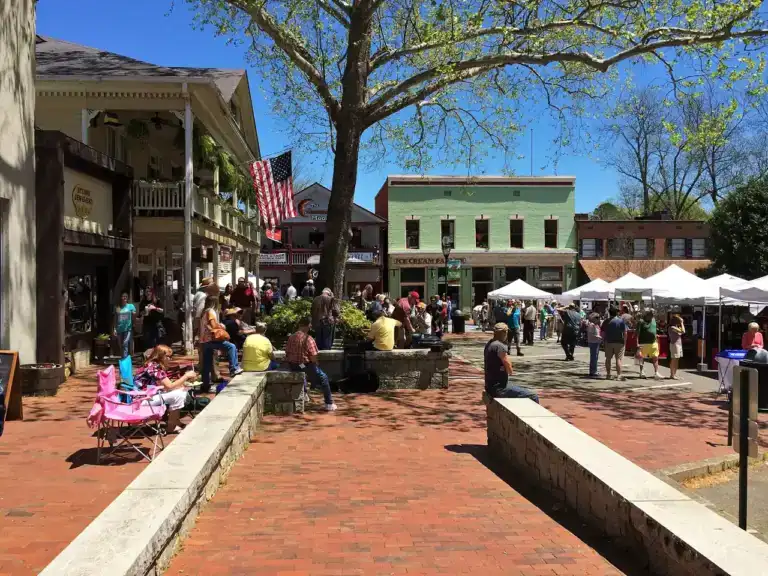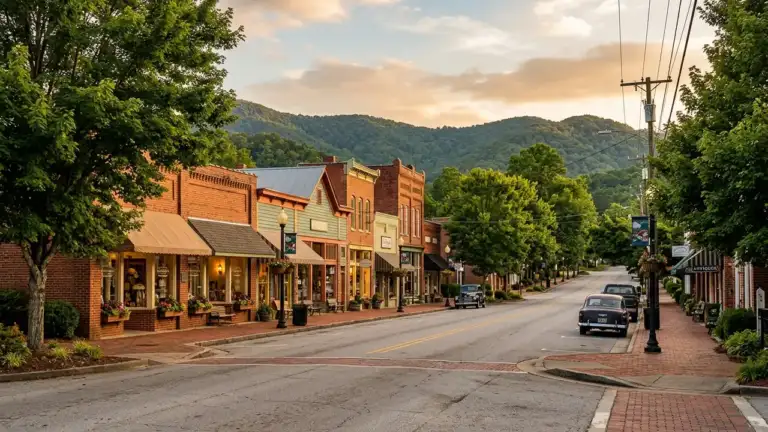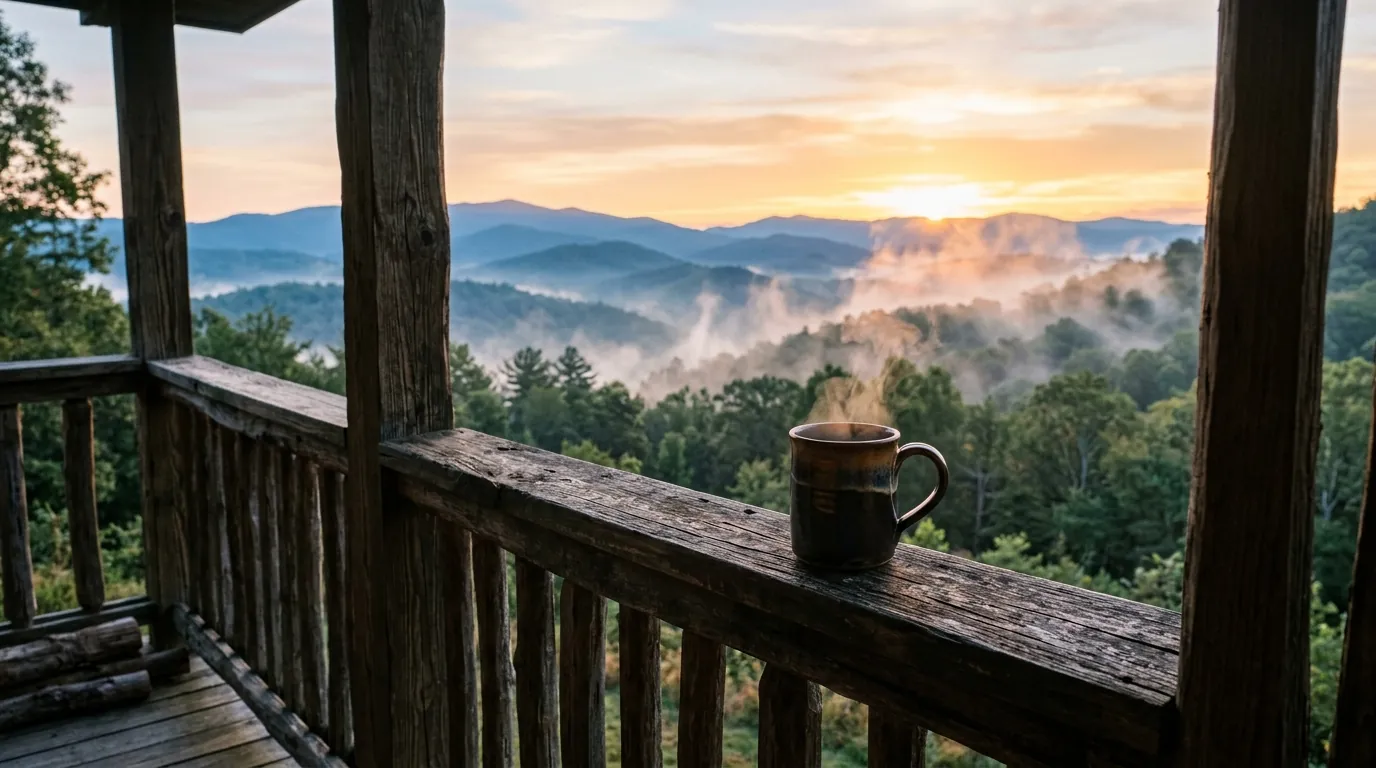
Living in Dahlonega offers a balance of mountain scenery, historic small-town character, and strong community life. Supported by the University of North Georgia and a growing retiree population, Lumpkin County features diverse housing options, accessible outdoor recreation, and convenient access to regional amenities in Gainesville and Atlanta.
Living in Dahlonega combines scenic mountain beauty, a vibrant historic square, and a welcoming community atmosphere in Lumpkin County.
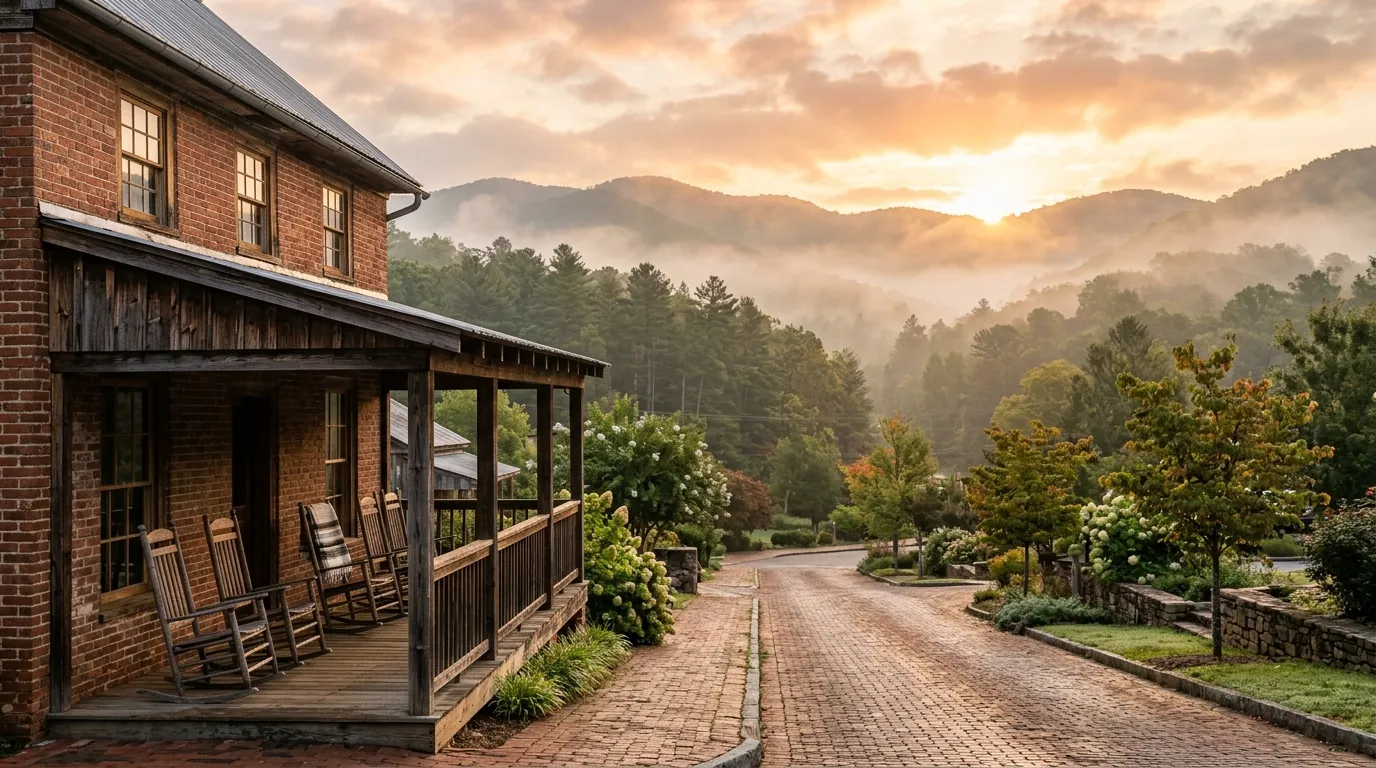
Community Life and Local Character
Dahlonega serves as the county seat of Lumpkin County, where the permanent population stands at approximately seven thousand residents within the city limits, with the broader county population near thirty-three thousand. Over the past two decades, the demographic composition has evolved. The traditional base of long-rooted local families has been joined by retirees relocating from metropolitan areas, a substantial university community, and remote workers who rely on broadband internet.
This demographic mix sustains a wide range of civic activities, local services, and cultural programs. It also explains why Dahlonega is one of Georgia’s best small towns to live in . The University of North Georgia brings concerts, lectures, and theatrical performances to the area, while local businesses and seasonal markets anchor daily social life.
Housing Options and Real Estate
Lumpkin County’s residential market has experienced steady appreciation driven by primary home buyers and interest in second homes. While property values have increased over the past decade, housing options remain lower in cost compared to similar mountain destinations in western North Carolina, Tennessee, or Virginia.
Prospective buyers can explore options ranging from historic homes near the square to mountain properties across the county using the Dahlonega Real Estate Guide .
| Property Segment | Key Features | Location & Attributes |
|---|---|---|
| In-Town Historic Homes | Late nineteenth to mid-twentieth century architecture | Walkable to town square restaurants, shops, and cultural venues |
| Immediate Outskirts | More recent construction with increased yard space | Located just outside the city limits at accessible price points |
| Mountain Cabins | Modest wooded cabins to expansive luxury estates | Ranging from private wooded lots to tracts with long-range mountain views |
Education, Healthcare, and Transportation
Public education is provided by the Lumpkin County School District, which operates an elementary, middle, and high school system. High school students can participate in dual enrollment programs with the local university. Families seeking private school alternatives typically look to Gainesville, located approximately thirty minutes southeast via Highway 60.
The presence of the University of North Georgia provides dual enrollment opportunities for high school students, alongside access to university library resources, athletic facilities, and public events.
Healthcare needs are handled through local and regional providers. Northside Hospital Dahlonega offers routine emergency and outpatient care locally.
For specialized medical care, residents typically travel thirty minutes to Northeast Georgia Medical Center in Gainesville. Prospective residents with complex health needs should evaluate commute times for planned and emergency care.
Dahlonega is an automobile-dependent community without public transit. Driving to Atlanta’s northern suburbs like Alpharetta, Cumming, or Roswell takes approximately one hour via Georgia 400 from Dawsonville. Reaching downtown Atlanta takes roughly ninety minutes under favorable traffic conditions, while Hartsfield-Jackson Atlanta International Airport is located about ninety minutes south.
Daily Life and Mountain Living
Living in Lumpkin County provides immediate access to natural scenery and outdoor recreation. Residents can easily enjoy trail running in the Chattahoochee National Forest, spending an afternoon experiencing North Georgia Wine Country , or watching the dramatic shift of fall color in the North Georgia mountains .
Daily life in Dahlonega revolves around mountain views, seasonal festivals, local dining, outdoor activity, and walking around the historic town square.
The town’s social life is further enhanced by eating and drinking in Dahlonega , featuring local dining options on the square alongside nearby local attractions and points of interest .
Frequently Asked Questions
What is the commute time from Dahlonega to Atlanta?
Driving to Atlanta’s northern suburbs like Alpharetta, Cumming, or Roswell takes approximately one hour via Georgia 400 from Dawsonville. Reaching downtown Atlanta takes roughly ninety minutes under favorable traffic conditions.
What healthcare facilities serve Dahlonega residents?
Northside Hospital Dahlonega provides routine and emergency services locally. For specialized care, residents typically travel thirty minutes to Northeast Georgia Medical Center in Gainesville.
How far is the nearest major airport from Dahlonega?
Hartsfield-Jackson Atlanta International Airport is located approximately ninety minutes south via Georgia 400 and I-285/I-85.
Explore Dahlonega Real Estate
Find your ideal mountain home or property in Lumpkin County today.
Search North Georgia homes with Gold Peach Realtyor call (770) 283-1223