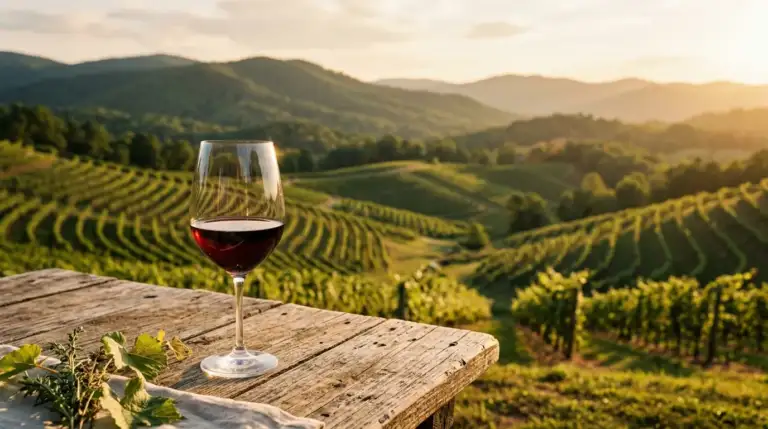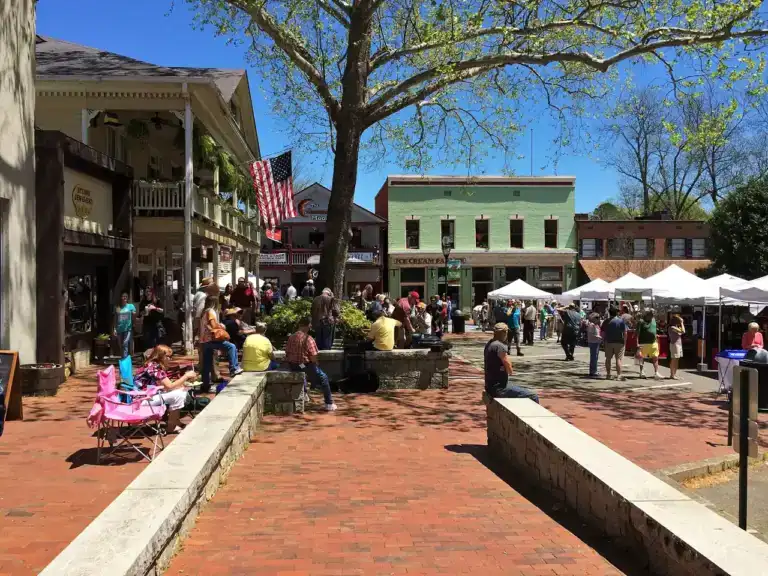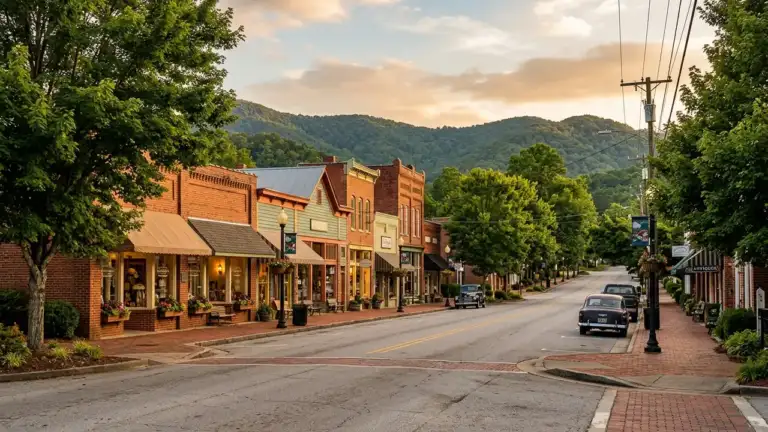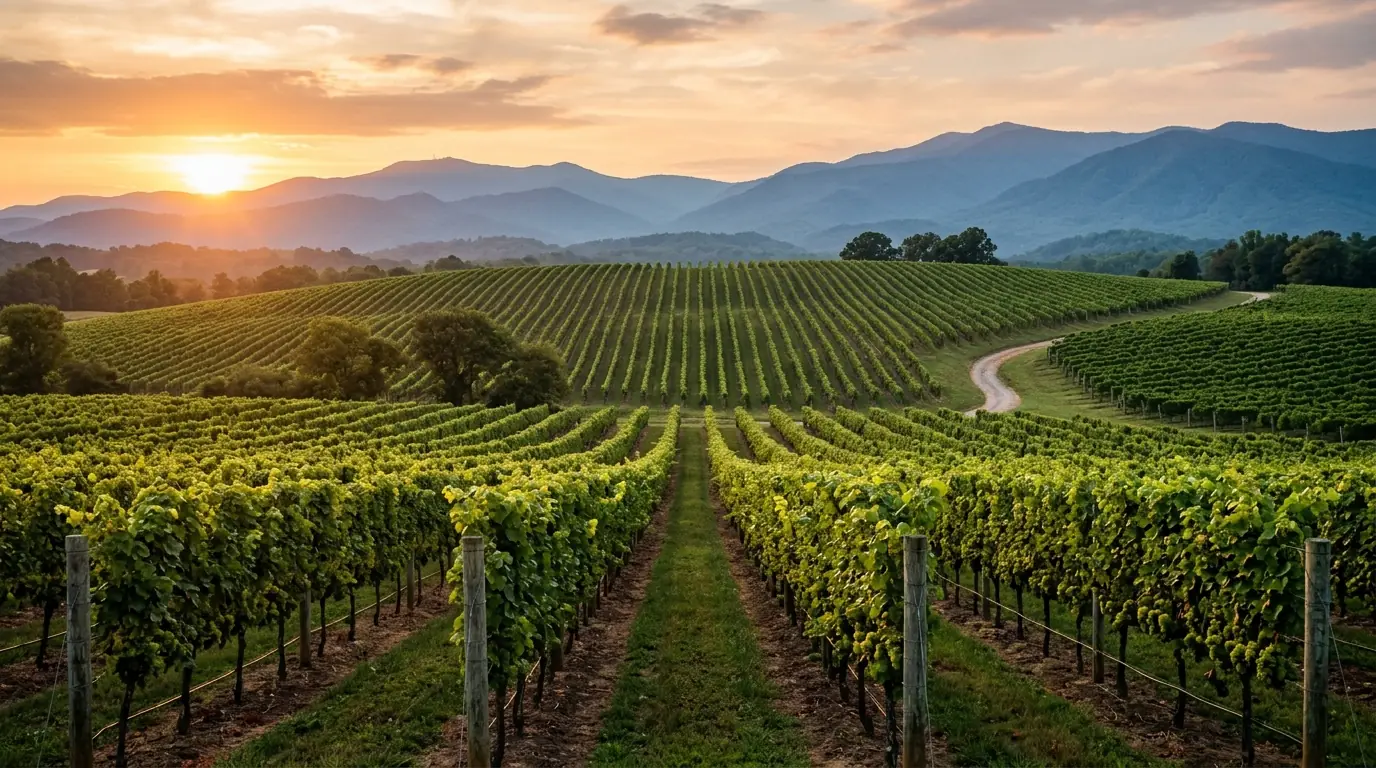
The Dahlonega Plateau AVA in North Georgia offers a unique high-elevation wine growing climate between 1,400 and 2,200 feet above sea level. Featuring established estate wineries like Wolf Mountain, Montaluce, Three Sisters, Frogtown, and Kaya, the region produces acclaimed Vitis vinifera and hybrid wines just a short drive from downtown Dahlonega.
The Dahlonega Plateau AVA stands as North Georgia’s premier wine growing region, leveraging cool high-elevation microclimates and granitic soils to produce acclaimed estate wines.
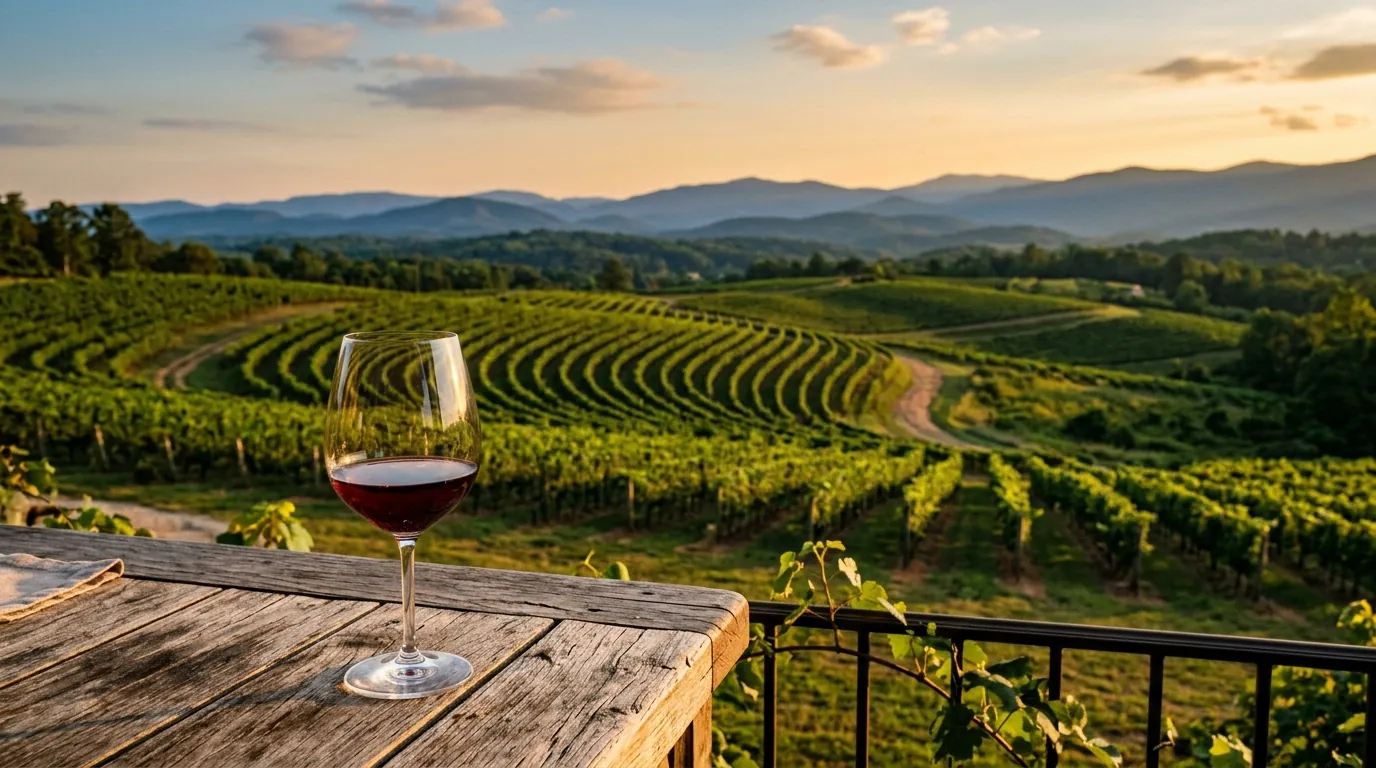
The Dahlonega Plateau AVA Designation and Climate
In 2018, the Alcohol and Tobacco Tax and Trade Bureau (TTB) granted American Viticultural Area (AVA) designation to the Dahlonega Plateau, formally recognizing the area’s distinctive viticultural identity. The Dahlonega Plateau AVA encompasses approximately 132,000 acres in Lumpkin, Dawson, and White counties, with elevations ranging from 1,400 to 2,200 feet above sea level. To qualify for the designation, the vast majority of grapes must be grown within the official AVA boundaries.
The designation followed years of advocacy by local winemakers who argued that the plateau’s combination of elevation, well-drained granitic soils, cool nights, and moderate summer temperatures creates growing conditions meaningfully different from the hotter, humid Georgia piedmont below. Temperatures on the Dahlonega Plateau remain distinctly cooler in summer than surrounding lower-elevation areas, allowing grapes to retain natural acidity during ripening.
The plateau is bordered to the north by the escarpment of the Blue Ridge, which blocks cold Arctic air masses and moderates winter temperatures. This positioning creates a favorable mesoclimate with an extended growing season roughly comparable in thermal terms to parts of the Finger Lakes region of New York or the cooler portions of the Willamette Valley in Oregon.
High elevations, granitic soils, and protective mountain geography grant the Dahlonega Plateau a cooler microclimate that preserves grape acidity and supports world-class winemaking.
Signature Grape Varieties of the Region
The choice of grape varieties grown on the Dahlonega Plateau reflects both the region’s climatic realities and the evolving vision of its winemakers. Early successful plantings favored French-American hybrids that tolerated summer humidity and fungal disease pressure. Chambourcin remains a workhorse red in the region, producing compelling wines with bold color and firm structure when carefully managed.
Increasingly, the plateau’s leading producers have planted and succeeded with European Vitis vinifera varieties:
- Cabernet Franc: Emerged as a consistent noble red, offering elegant structure with characteristic herbal, red-fruit, and floral notes.
- Merlot, Petit Verdot & Malbec: Show strong promise across select hillside vineyard sites.
- Chardonnay & Viognier: Produce crisp, aromatic white wines highlighting natural acidity.
- Blanc du Bois: A disease-resistant white hybrid with bright acidity that pairs naturally with seafood and lighter Southern cuisine.
Visitors exploring the Dahlonega local food scene and regional dining and drinks options will find these estate wines featured prominently across local menus.
Prominent Estate Wineries on the Dahlonega Plateau
A cluster of notable wineries within a short drive of Dahlonega produces wines that have earned recognition in national competitions. You can explore all Dahlonega wineries to plan your route, starting with these established estates:
From full-service dining at Montaluce and Wolf Mountain to boutique tastings at Kaya, Dahlonega offers diverse tasting room environments suitable for day trips or extended stays.
Three Sisters Vineyards: Founded in 1996 by Doug and Sharon Paul, Three Sisters is among the oldest continuously operating estate wineries in the region and was a founding member of the Dahlonega Plateau AVA movement. Located off Dahlonega Highway on a south-facing slope, the estate is known for its Vin de Fee blend and regular music festivals.
Wolf Mountain Vineyards: Regarded as one of the premier estate wineries in the Southeast, Wolf Mountain features sweeping mountain views, an acclaimed restaurant, and a renowned sparkling wine program crafted in the traditional method alongside Bordeaux-style red blends like Instinct.
Montaluce Winery and Estates: A resort destination featuring Tuscan-style architecture, rental cottages, formal gardens, and the Le Vigne restaurant. Montaluce focuses on Italian and French varieties including Sangiovese, Vermentino, and Montepulciano.
Frogtown Cellars: Founded by Craig and Cydney Kritzer, Frogtown features terraced hillside vineyards and produces an extensive portfolio of over twenty wines, ranging from French varieties to Italian selections like Primitivo and Aglianico.
Kaya Vineyard and Winery: Situated on a scenic ridge, Kaya concentrates on small-production estate wines with minimal intervention, focusing primarily on Cabernet Franc, Malbec, and Chardonnay.
| Winery | Focus & Style | Location |
|---|---|---|
| Three Sisters Vineyards | Estate blends, Cabernet Franc, Vin de Fee | Dahlonega Highway, Lumpkin Co. |
| Wolf Mountain Vineyards | Method Traditionnelle sparkling, Bordeaux blends | Wolf Mountain Trail, Dahlonega |
| Montaluce Winery & Estates | Italian varieties, resort dining & villas | Via Montaluce, Dahlonega |
| Frogtown Cellars | Terraced vineyard estate, extensive portfolio | Ridge Point Drive, Dahlonega |
| Kaya Vineyard & Winery | Boutique small-batch Vitis vinifera | Windy Ridges Court, Dahlonega |
Planning a Visit to North Georgia Wine Country
A well-organized Dahlonega wine country visit typically covers two to four wineries in a single day, allowing adequate time for unhurried tasting experiences and a meal at an estate restaurant. Planning a wine trip is often a highlight of a weekend itinerary for Dahlonega .
Navigating winding mountain roads requires careful planning. Designate a driver or hire a local guided tour service, and secure tasting reservations early during autumn peak season.
The harvest season, running from late August through October, is the most active time to visit, featuring harvest festivals and live picking activity. Spring and early summer bring lush greenery and lighter crowds. Tasting fees vary by estate, with many properties waiving fees upon minimum bottle purchases. Please confirm current rates and policies directly with each winery before visiting.
For those considering living in Dahlonega , the surrounding vineyards add incredible lifestyle value. This rich viticultural backdrop is a major reason why Dahlonega is one of Georgia’s best small towns to live in .
Frequently Asked Questions
What is the Dahlonega Plateau AVA?
The Dahlonega Plateau AVA is an officially designated American Viticultural Area established in 2018, encompassing roughly 132,000 acres across Lumpkin, Dawson, and White counties defined by high elevations and distinct growing conditions.
What grape varieties grow best on the Dahlonega Plateau?
The region excels with Cabernet Franc, Merlot, Chardonnay, Viognier, and French-American hybrids like Chambourcin and Blanc du Bois.
How many wineries should I visit in one day?
Visiting two to four wineries in a single day allows ample time for tastings, tours, and dining without rushing through mountain transit.
Explore North Georgia Real Estate
Find your ideal home or mountain property near Dahlonega’s premier wineries and scenic landscapes.
Search North Georgia homes with Gold Peach Realtyor call (770) 283-1223