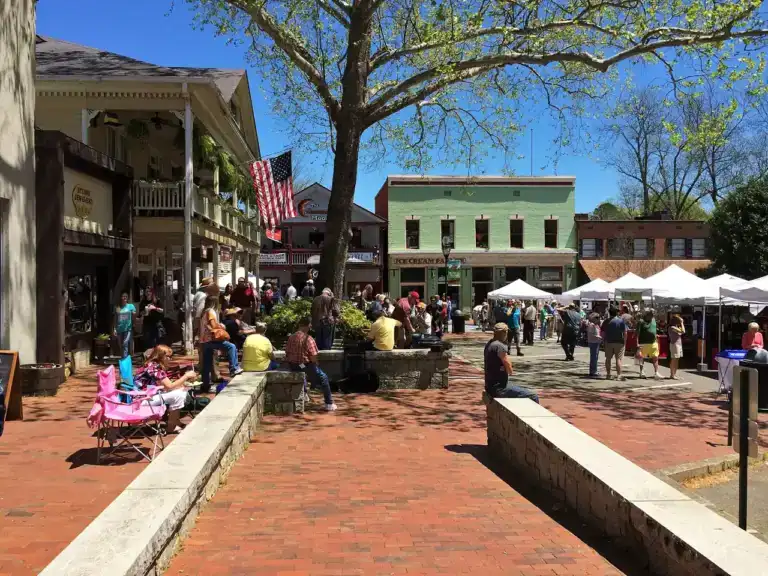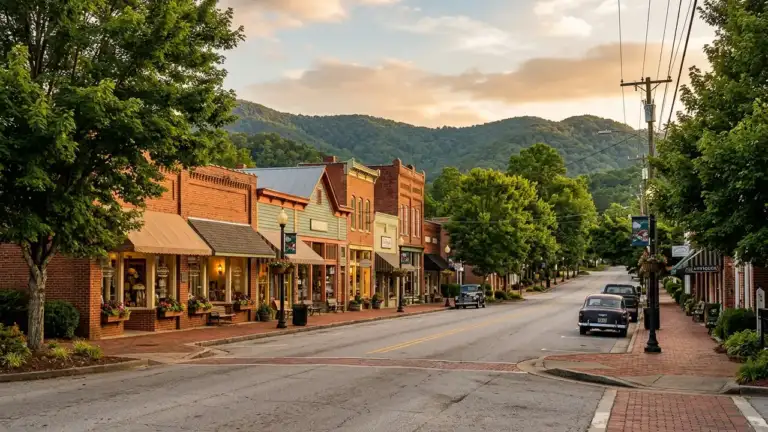
The Dahlonega City Council is the elected body that governs the City of Dahlonega. It is made up of a mayor and six council members who pass ordinances, approve the budget, and decide rezoning requests. The city’s calendar lists a regular council meeting and a separate work session each month, and meetings are open to the public under Georgia’s Open Meetings Act. Check the city’s meeting calendar for current dates, agendas, and minutes.
Dahlonega’s elected city council sets policy, approves spending, and has final say on local ordinances.
What the City Council Does
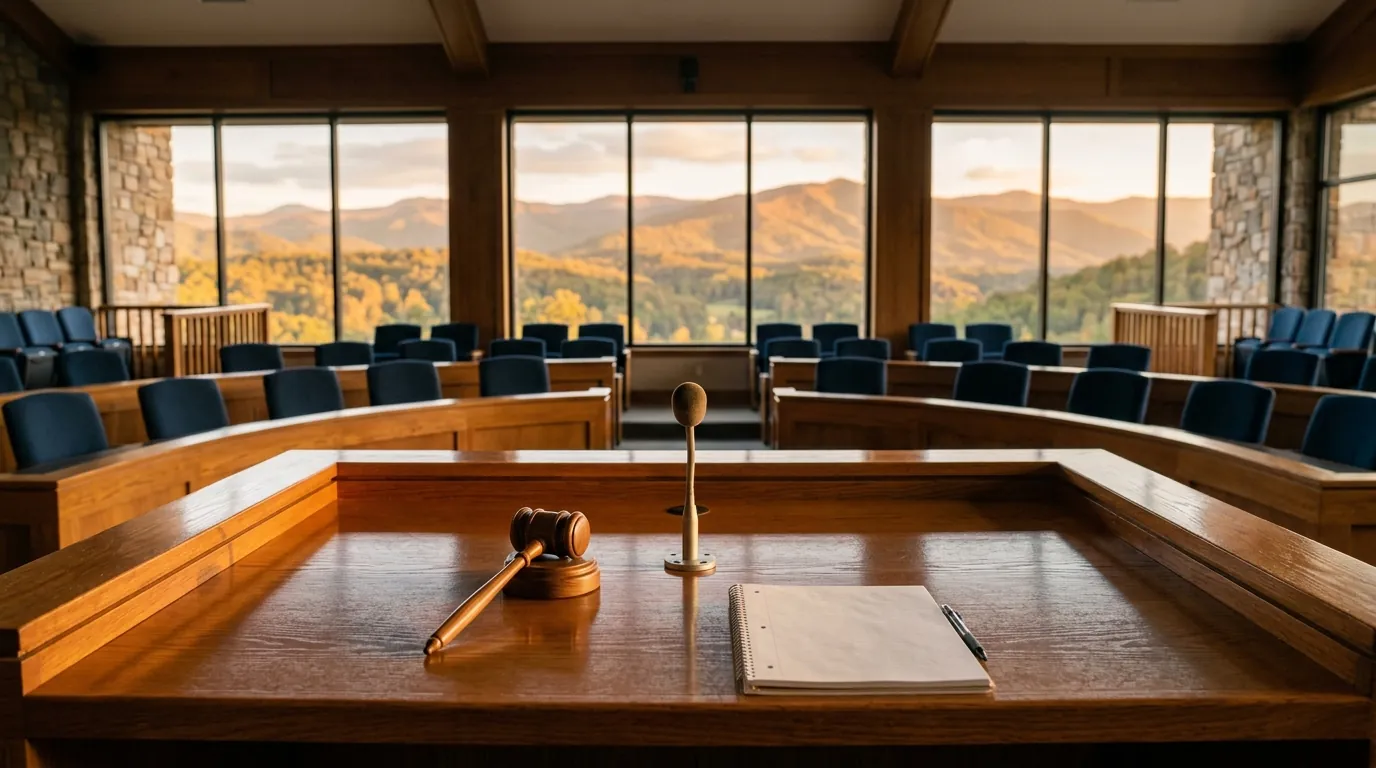
The council is the law-making body for the City of Dahlonega. It passes ordinances, adopts the annual budget, and votes on rezoning requests and contracts. If you have been following a rezoning proposal or a new subdivision near your neighborhood, the council’s final vote is what makes it happen.
The council handles several distinct areas of municipal governance:
- City budget: how city revenue is allocated across city departments and services
- Local ordinances: rules governing noise, signage, land use, business licensing, and public safety within city limits
- Development approvals: rezoning requests and other land-use decisions, which appear on council agendas as ordinances
- City contracts: service and professional agreements, which council agendas list under contracts and agreements
- Board appointments: members to advisory bodies and authorities that help govern city operations
If you want to track what’s happening with Dahlonega development projects moving through local approval, the council agenda is your primary source. The city’s Planning Commission keeps its own meetings and public hearings on the same city calendar, so checking both agendas shows where a request stands.
Structure, Governance, and Meetings
According to the City of Dahlonega, the city’s government is vested in a city council made up of a mayor and six council members, and each member serves a four-year term. Council members are elected at large to numbered posts (Posts 1 through 6) rather than by district, so each one represents the whole city, according to the city’s municipal elections page. The mayor’s role in meetings, including any voting rules, is set by the city charter; the city clerk can point you to the current charter text.
As posted on the city’s meeting calendar in November 2026, the council holds its regular meeting on the first Monday of each month at 6:00 p.m. and a work session on the third Monday at 4:00 p.m., with some dates moved for holidays. Regular meetings are held in the Gary McCullough Council Chambers at Dahlonega City Hall, 465 Riley Road. The calendar also lists special called meetings, public hearings, and council retreats, and the 2027 meeting schedule was on the November 2, 2026 agenda for approval, so check the calendar for the date you need.
Georgia’s Open Meetings Act (O.C.G.A. section 50-14-1 et seq.) says that, except as otherwise provided by law, all meetings shall be open to the public, and it requires notice, an agenda, and written minutes. A meeting can be closed only under a specific exception in the law, such as consulting legal counsel about pending or potential litigation, and only by a majority vote of a quorum, with the specific reasons entered in the official minutes. Read the full text from the Georgia Attorney General.
Agendas, Records, and Public Participation
The City of Dahlonega posts council agendas, agenda packets, and minutes on its meeting calendar. The city says agendas and packets are uploaded about one week before a scheduled meeting, and adopted minutes are published up to one month after the meeting. Older minutes can be requested through an Open Records Request.
Public comment is set by the city, not by state law: the Georgia Attorney General’s office notes that the Open Meetings Act does not itself provide an opportunity to speak at a meeting. The November 2, 2026 regular meeting agenda included a public comment period and asked speakers to limit comments to four minutes. The city’s work session notice says work sessions are open meetings but have no designated time for public comment. Procedures can change, so check the current agenda or ask the city clerk before you go, and keep comments specific and tied to an agenda item or city policy.
If your interest is in understanding how municipal elections work, the Lumpkin County elections guide covers voter registration deadlines, polling locations, and candidate qualifying timelines that apply to city races.
Why Council Decisions Matter for Property Owners
If you own property inside Dahlonega city limits, or are thinking about living in Dahlonega , council decisions directly affect your investment. Zoning changes affect what gets built next door, while budget decisions determine road maintenance, lighting, and parks upkeep. These civic factors play a direct role in shaping the local environment and evaluating the overall Dahlonega GA cost of living .
Understanding how the city council works alongside the Lumpkin County Board of Commissioners matters for property owners inside city limits, since decisions involve both bodies depending on jurisdictional boundaries. Strong civic governance and community planning contribute to why Dahlonega GA is one of Georgia’s best small towns to live in .
| Governing Body | Jurisdiction Scope | Primary Responsibilities |
|---|---|---|
| Dahlonega City Council | Incorporated city limits | Passes city ordinances, sets municipal budget, decides city rezoning requests |
| Lumpkin County Board of Commissioners | Full county (inc. unincorporated areas) | Governs county services, sets county millage rate, manages county-wide infrastructure |
Property tax bills for parcels inside city limits can include both city and county levies. Levying property taxes is one of the city’s charter powers, and Lumpkin County sets its own rate separately. Confirm current millage rates with the City of Dahlonega and Lumpkin County before relying on a number.
Frequently Asked Questions
How often does Dahlonega City Council meet?
The city’s calendar lists a regular council meeting on the first Monday of each month at 6:00 p.m. and a work session on the third Monday at 4:00 p.m., with some dates moved for holidays. Special called meetings and public hearings are added as needed. Check the city’s meeting calendar for the current schedule.
Where do Dahlonega City Council meetings take place?
Regular meetings are held in the Gary McCullough Council Chambers at Dahlonega City Hall, 465 Riley Road. The city’s meeting calendar lists the location for each meeting.
Are Dahlonega City Council meetings open to the public?
Yes. Under Georgia’s Open Meetings Act (O.C.G.A. section 50-14-1), meetings are open to the public except as otherwise provided by law. A closed (executive) session is allowed only under a specific legal exception, such as consulting the city’s lawyer about pending or potential litigation, and only by a majority vote of a quorum, with the reasons entered in the minutes.
How can I find the Dahlonega City Council meeting agenda?
The city posts agendas and agenda packets on its meeting calendar, about one week before a scheduled meeting according to the city. State law also requires the agenda to be posted at the meeting site ahead of the meeting. You can also contact the city clerk’s office.
Can I speak at a Dahlonega City Council meeting?
Usually, yes. The November 2, 2026 regular meeting agenda included a public comment period with a four-minute limit per speaker. Work sessions are open to attend but, according to the city’s notice, have no designated public comment time. Georgia law leaves public comment to each local government, so check the current agenda or ask the city clerk.
How do I find past Dahlonega City Council meeting minutes?
The city publishes adopted minutes on its meeting calendar, up to one month after a meeting. Georgia law requires minutes to record each motion and how members voted, and a written summary of actions within two business days of a meeting. For minutes older than the city’s online system, file an Open Records Request with the city.
How many members does Dahlonega City Council have?
Six council members plus the mayor. According to the city, council members are elected at large to numbered posts (Posts 1 through 6), not by district.
How long do Dahlonega City Council members serve?
Four years. The city says the mayor and council members serve four-year terms and until their successors are elected and qualified. Election details are posted on the city’s municipal elections page.
What is the difference between Dahlonega City Council and the Lumpkin County Board of Commissioners?
Dahlonega City Council governs the incorporated city limits only. The Lumpkin County Board of Commissioners governs the full county, including unincorporated areas outside city limits. Residents inside the city are subject to both bodies. The Lumpkin County Board of Commissioners guide covers county governance in more detail.
Does the city council approve new development in Dahlonega?
Yes, for rezoning requests inside city limits, which come before the council as ordinances. The city also has a Planning Commission with its own meetings and public hearings, so a request may appear on both calendars. The Journal’s Dahlonega development projects tracker follows active items.
How do I find out about upcoming council votes on development?
The council agenda, posted about a week before each regular meeting, lists ordinances and public hearings, including rezoning requests. Planning Commission and Board of Zoning Appeals agendas are on the same city calendar and can show what is coming.
What is Georgia’s Open Meetings Act?
The Open Meetings Act (O.C.G.A. section 50-14-1 et seq.) is a state law requiring Georgia government bodies, including city councils, to meet in public after due notice, make an agenda available, and keep written minutes, with limited exceptions for closed sessions. The Georgia Attorney General’s office publishes the law and runs an Open Government Mediation Program for people who think a local government is not complying.
Does the city council set my property tax rate?
Bills for parcels inside city limits can include both city and county levies. Levying property taxes is one of the city’s charter powers, and Lumpkin County sets its own rate separately. Confirm current rates with the City of Dahlonega and Lumpkin County.
Sources
- City of Dahlonega: Mayor and Council (council size, four-year terms, charter powers)
- City of Dahlonega: City Council Meetings calendar (meeting schedule, agendas, packets, minutes)
- City of Dahlonega: Municipal Elections (at-large posts, terms)
- City Council Meeting Agenda, November 2, 2026, PDF (public comment limit)
- City of Dahlonega: City Council Work Session notice (work session schedule, no designated public comment)
- Georgia Open Meetings Act, O.C.G.A. section 50-14-1 et seq. (PDF, Georgia Attorney General)
- Georgia Attorney General: Open Government FAQ
Sources checked November 2, 2026. Meeting times and procedures can change; the city’s calendar and the current agenda are the final word.
Looking to Buy or Sell Property in Dahlonega?
If council decisions on development and growth in Dahlonega have you thinking about buying or selling in the area, Gold Peach Realty covers Lumpkin County and the surrounding North Georgia region.
See available homes in Dahlonega at Gold Peach Realtyor call (770) 283-1223