

The Dahlonega Journal - Dahlonega News, Business & Local Events
  • Home
  • Dahlonega News
  • Georgia News
  • Politics
  • Culture
  • Finance
  • Business
  • Technology
  • Sports
  • Health
  • Opinion
  • Events
  • My Bookmarks
Reading: Space Travel: Journey into Space Can Cause Severe Back Pain
Share
The Dahlonega Journal - Dahlonega News, Business & Local EventsThe Dahlonega Journal - Dahlonega News, Business & Local Events
Font ResizerAa
  • Opinion
  • Technology
Search
  • Home
  • Dahlonega News
  • Georgia News
  • Politics
  • Culture
  • Finance
  • Business
  • Technology
  • Sports
  • Health
  • Opinion
  • Events
  • My Bookmarks
Have an existing account? Sign In
Follow US
© 2022 Foxiz News Network. Ruby Design Company. All Rights Reserved.
The Dahlonega Journal - Dahlonega News, Business & Local Events > Blog > Technology > Space Travel: Journey into Space Can Cause Severe Back Pain
Technology

Space Travel: Journey into Space Can Cause Severe Back Pain

The Dahlonega Journal
Last updated: 7 May 2024 05:50
The Dahlonega Journal
Share
SHARE

[ad_1]

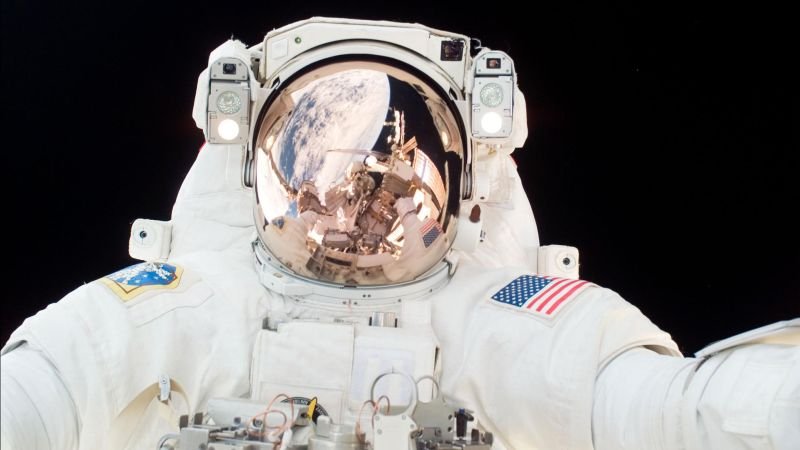
Staying on the International Space Station (ISS) for six months can cause astronauts to gain 2 inches in height but also suffer muscle loss and back pain, says a new study. The temporary height gain is linked to a weakening of the spine’s supporting muscles. Reports of back pain among astronauts date back to the late 1980s, with over half of US astronauts reporting such discomfort, particularly in their lower backs. Moreover, in the year following their mission, astronauts have a 4.3 times higher risk of a herniated disc.

This spinal health issue has been a cause for concern, prompting a study into possible causes of astronauts’ back problems. The research primarily focused on intervertebral discs, considered the main catalyst for back issues for astronauts. However, the study found minimal changes in the discs’ height or swelling. Instead, it was observed that the muscles supporting the lumbar spine undergo degeneration and atrophy during space missions.

In the absence of gravity, the torso lengthens due to spinal unloading, which flattens the spinal curvature. Lack of use of lower back muscles due to the astronauts’ failure to bend over or move like they would on Earth results in pain and stiffening. MRI scans both before and after the missions showed these muscles decrease by 19% during space missions. Following six weeks of training and reconditioning on Earth, only around 68% of this loss could be restored.

This poses a serious issue for long-term manned missions, including potential trips to Mars, leading to extensive muscle atrophy and deconditioning. Future research will focus on reported neck issues, where muscle atrophy and slower recovery periods are even more common. As a countermeasure to back pain and muscle loss, Chang suggested additional core-strengthening exercises for the spine to be included in the astronauts’ daily workouts on the space station.

[ad_2]

- Advertisement -
TAGGED:aviation and aerospace industryback disorders and injuriesBusinessbusiness and industry sectorscelestial bodies and objectsdietdiseases and disorderseartheconomy and tradeexercise and fitnesshealth and medicalmusculoskeletal disorders and injuriesnutrition and fitnessplanets and moonsspace and astronomyspace explorationspace industryspace stationsspacecraft and satellites
Share This Article
Twitter Email Copy Link Print
Previous Article Four Foods that Nutrition Professionals Advise Against for Reducing Cancer Risk
Next Article ‘Concerning’ alarm raised by health officials as global cholera cases rise, revealing shortages in vaccines
Leave a comment

Leave a Reply

You must be logged in to post a comment.

- Advertisement -

Editor's Pick

Latest News

American Kristen Faulkner secures a remarkable gold medal win in women’s road race at Paris Olympics.

Gain complete access to this article by signing up for…

5 August 2024

‘Harris Dares Trump at Georgia Rally: ‘Say It to My Face’

Harris Rallies Georgia: A Challenge to Trump In the warmth…

31 July 2024

The Ideal Milk Type to Consume Based on Your Health Objectives

With milk alternatives like soy, oat, almond, and pea piling…

31 July 2024

Amazon Best-Selling Cookbook Author Could Have Been an AI

An Amazon Bestseller or an Artificial Intelligence Hoax? The credibility…

31 July 2024

Harris’s campaign against Trump turns 2024 election into a racial discussion, posing potential issues for everyone

An Era of Political Race Chat Joe Biden's replacement with…

31 July 2024

You Might Also Like

Business

United Airlines Intends to Address Flight Attendants Misusing Sick Leave

Overview United Airlines' leave policies are under review by the Labor Department due to an increase in regulations attempting to…

3 Min Read
Technology

Fox News AI Newsletter: Waymo’s autonomous taxi rolls out across San Francisco

Stay Updated with Fox News’ AI Bulletin and Recent Progress in the Field of AI Technology HIGHLIGHTS OF THIS EDITION:…

3 Min Read
Technology

5 Indicators That Your Family’s Mobile Plan Needs Revamping

Reasons to Consider Changing Your Mobile Plan 1. Expansion of Your Family Necessitates a New Affordable Line The existing plan…

3 Min Read
Business

Alexis Ohanian, Serena Williams’ husband, discloses Lyme disease diagnosis despite absence of symptoms

Alexis Ohanian, Serena Williams’ Husband, Tests Positive for Lyme Disease Alexis Ohanian, co-founder of Reddit and husband to tennis champion…

4 Min Read
The Dahlonega Journal - Dahlonega News, Business & Local Events

News

  • Dahlonega News
  • Politics
  • Business
  • Culture

More News

  • Technology
  • Health
  • Opinion
  • Sports

About

  • Contact
  • Privacy Policy
  • Terms of Use
  • Disclaimer
  • Cookie Privacy Policy
  • CCPA
  • DMCA

© The Dahlonega Journal. All Rights Reserved.

Welcome Back!

Sign in to your account

Lost your password?