[ad_1]
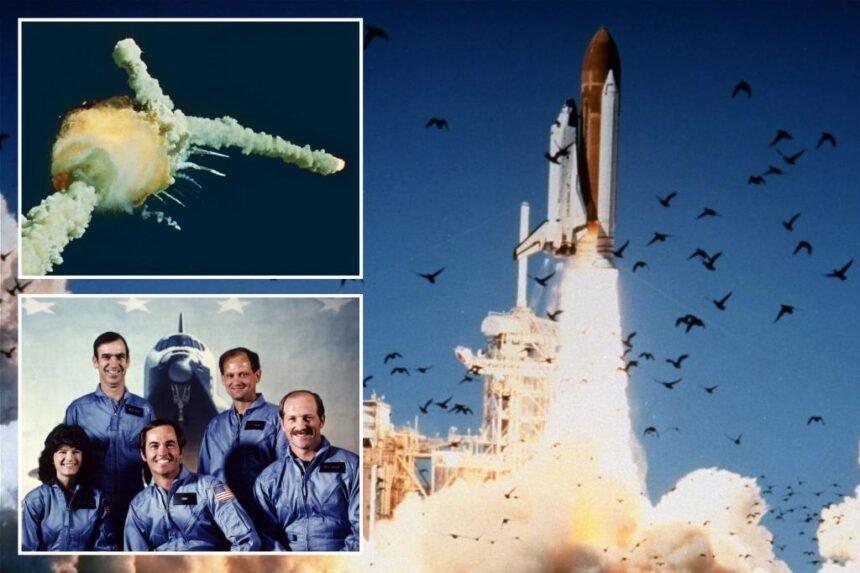
On January 28, 1986, schoolteacher Christa McAuliffe and six other astronauts prepared to be launched into space via the Space Shuttle Challenger. McAuliffe was bestowed with an apple by support crew member Jonny Corlew as a sign of good luck, her being the first teacher projected to head to space. Shortly after, however, the shuttle tragically exploded 73 seconds after takeoff, tragically taking the lives of all seven crew members.
This tragedy is the focus of “Challenger: A True Story of Heroism & Disaster on the Edge of Space” by Adam Higginbotham. The book delves into the conception of the Space Shuttle program and how a disastrous outcome was made almost unavoidable due to political cynicism and commercial pressures.
Months before the incident, Roger Boisjoly, a booster rocket engineer, saw immense dangers in launching the shuttle in winter and issued a warning letter to his managers, but his advice was ignored. Despite his knowledge of booster joints potentially becoming stiff and unsealed in the cold, increasing the likelihood of leaks, he was unable to prevent the tragedy.
When the “O-ring”, a rubber component crucial for preventing gas releases during liftoff, was found to be affected by the cold weather, genuine concerns arose. These worries were initially accepted, and the crew was asked to stand down until it was considered safer to proceed. However, under external pressures, the team had to reconsider, eventually approving the shuttle for launch.
As the shuttle left the launchpad, families and friends of the crew, along with VIPs, watched nervously from the roof of Launch Control Center. Just over a minute into the flight, an unexpected flame sparked on the right booster, rapidly reaching the fuel tank, and triggering a catastrophic explosion.
In the aftermath of the explosion, Roger Boisjoly was left feeling devastated, regretting his inability to convince the managers not to proceed with the launch. He was later diagnosed with post-traumatic stress disorder and never returned to the aerospace industry.
Following the catastrophe, President Ronald Reagan postponed his State of the Union address to deliver a heartfelt speech about the tragedy, honoring the lives of those lost on the Challenger.
[ad_2]